U Thant 1909 – 1974
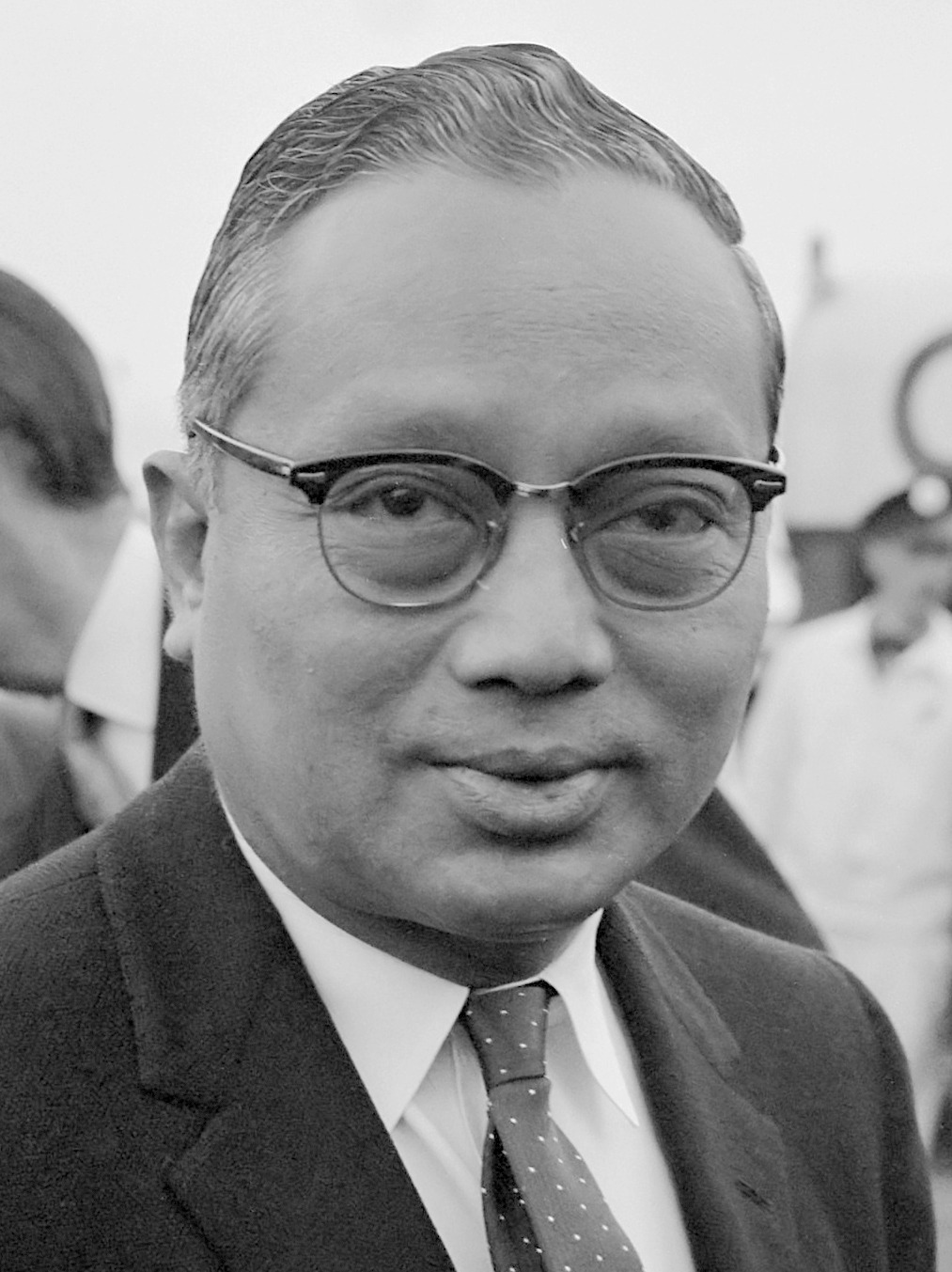
Biography
Born in Burma in 1909, U Thant rose to become one of the 20th century’s most influential peacemakers, steering the United Nations through the most volatile decade of the Cold War. Appointed Secretary-General in 1961, he transformed the role into a force for measured diplomacy, navigating nuclear brinkmanship and superpower tensions with quiet resolve. His thoughtful approach to global conflict—balancing the demands of competing powers while advancing humanitarian ideals—made him an unlikely but indispensable voice during humanity’s most dangerous moments.
For a decade, U Thant worked behind the scenes and in the spotlight, championing peace initiatives that shaped international relations. His steady hand during crises won respect across ideological lines, proving that principled diplomacy could matter even when the stakes were civilization-threatening. He left the Secretary-General’s office in 1971, having fundamentally influenced how the UN approached its central mission.
U Thant died in New York in 1974 from lung cancer, but his legacy endured far beyond his passing. He remains the gold standard for UN leadership during an era when the organization genuinely stood at the center of global survival—a man who proved that conscience and careful negotiation could still move mountains.
More Images