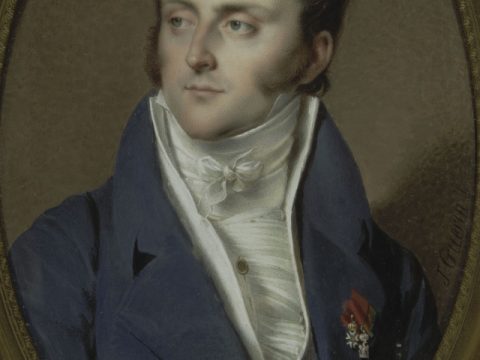
Uchida Kōsai 1865 – 1936

Biography
Born during Japan’s radical transformation in 1865, Uchida Kōsai rose to become one of the Meiji era’s most influential statesmen, steering the nation through its precarious ascent to world power status. His diplomatic acumen and political savvy made him indispensable in the highest corridors of government, where he navigated the treacherous waters of modernization and international relations that defined early twentieth-century Japan.
Uchida’s crowning achievement came when he ascended to interim prime minister—a testament to the trust placed in him by the nation’s leadership during its most pivotal moments. His career embodied the ambitions and contradictions of a Japan racing to catch up with Western powers while maintaining its cultural identity. Whether brokering crucial diplomatic deals or shaping domestic policy, Uchida left fingerprints on nearly every major decision of his era.
He died in 1936 at seventy years old from disease, having spent seven decades witnessing and shaping Japan’s extraordinary transformation. Uchida was buried at Tama Cemetery, where his legacy endures as a symbol of the sophisticated statesmanship that once guided the nation.
Cemetery Map
View larger map →Satellite overview of the cemetery grounds.