Venceslaus Ulricus Hammershaimb 1819 – 1909
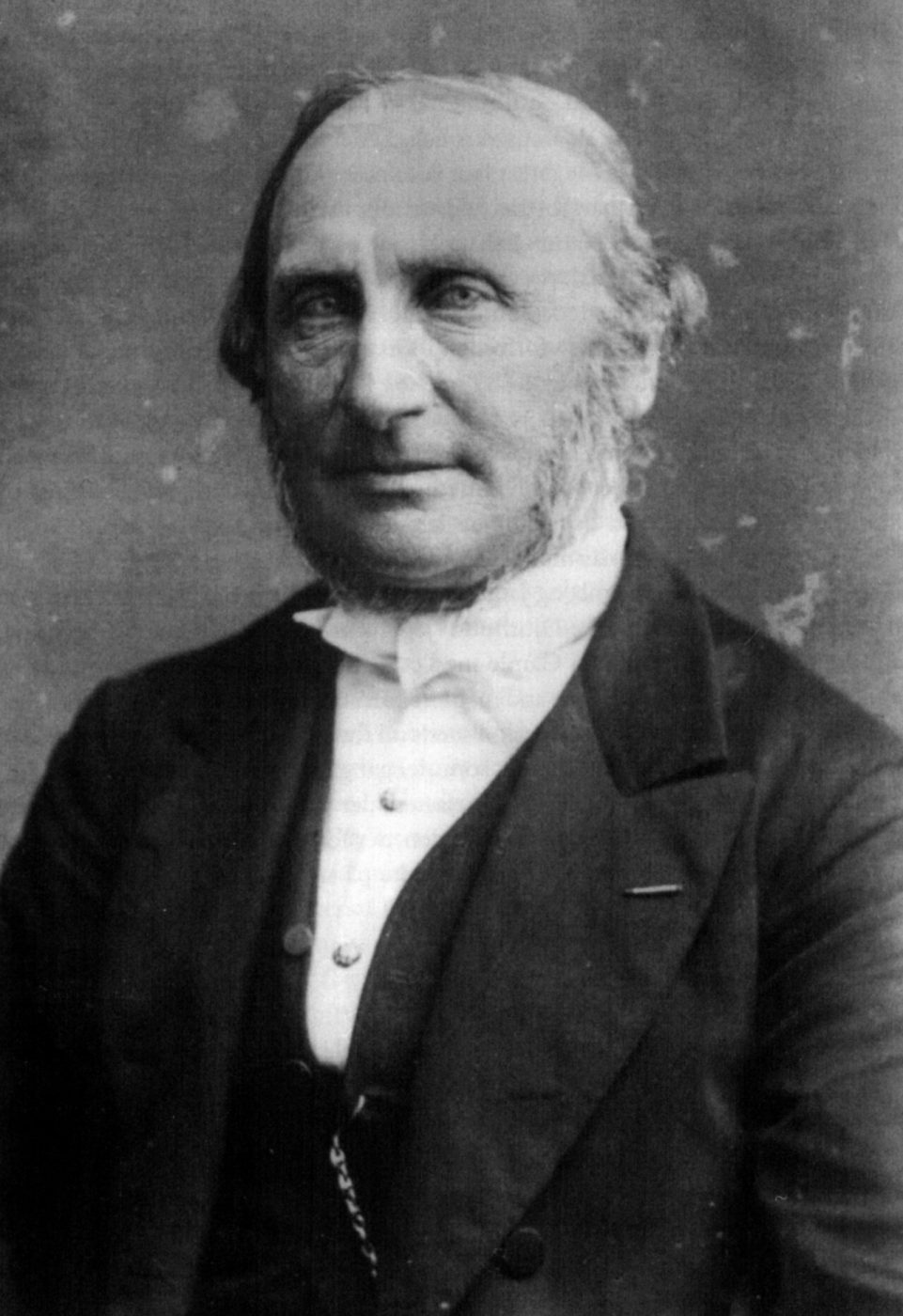
Biography
Born in the remote Faroese village of Sandavágur in 1819, Venceslaus Ulricus Hammershaimb became the guardian angel of an entire culture. This 19th-century scholar and Lutheran clergyman refused to let the Faroe Islands’ rich linguistic and folkloric heritage fade into obscurity—an obsession that would define his nine decades and secure his place as a towering figure in Nordic intellectual history. Through meticulous fieldwork and documentation, Hammershaimb essentially invented modern Faroese cultural studies, collecting stories and linguistic patterns that might otherwise have vanished forever.
What made Hammershaimb’s mission remarkable was his dual vocation: he wielded spiritual authority as a clergyman while conducting groundbreaking research across Faroese society. This unique position allowed him unprecedented access to communities, traditions, and oral histories. He methodically cataloged the islands’ folklore and language patterns, establishing scholarly frameworks that scholars still reference today. His work wasn’t academic vanity—it was an act of cultural rescue at a critical moment when smaller societies faced erasure.
Hammershaimb spent his final years in Copenhagen, passing away in 1909 at ninety with an unfinished mission somehow complete. He’d single-handedly preserved the intellectual foundation of Faroese identity, ensuring that generations to come could trace their roots back through the stories and language he rescued from oblivion.