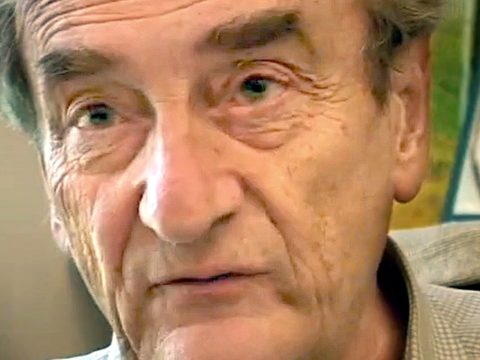
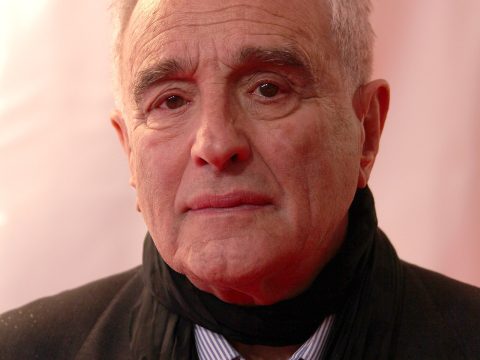
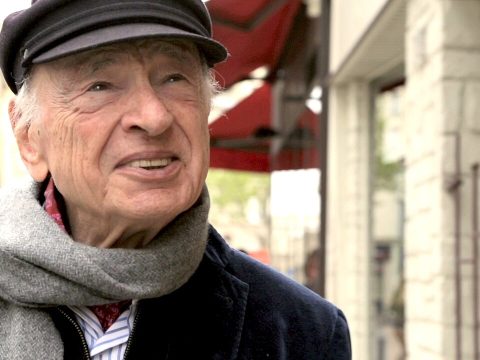
Victor Turner 1920 – 1983
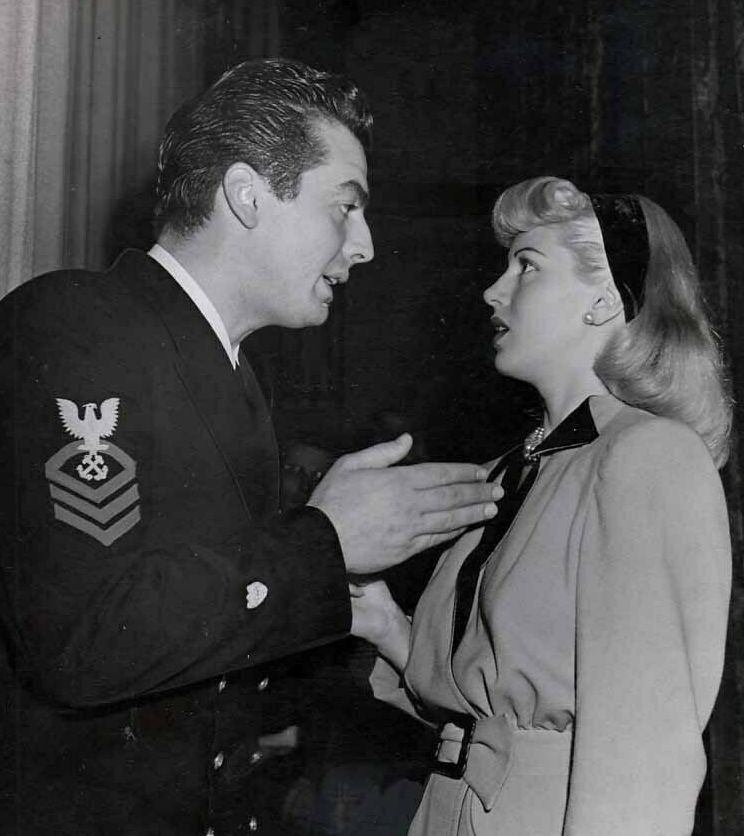
Biography
Born in Glasgow in 1920, Victor Turner became one of the twentieth century’s most transformative anthropologists, revolutionizing how scholars understood ritual, symbol, and community. His groundbreaking work didn’t just document cultural practices—it revealed the hidden architecture of human meaning-making itself. Turner’s ability to decode the profound significance embedded in seemingly ordinary ceremonies and social structures reshaped anthropological thinking and earned him a place among the discipline’s most influential minds.
Turner’s career was defined by intellectual fearlessness and genuine curiosity about how people create meaning through ritual and symbolic action. He bridged the gap between dry academic analysis and the vibrant, messy reality of lived culture, making anthropology urgent and relevant to understanding society itself. His insights into liminality, communitas, and symbolic transformation became essential frameworks for scholars across disciplines—from sociology to religious studies to performance theory.
When Turner died in 1983, the anthropological community lost one of its most creative voices. Yet his legacy endured through a body of work that fundamentally altered how we perceive ritual, community, and the ways humans make sense of their worlds. Decades later, his theories remain alive in classrooms and research, testament to a scholar who truly saw culture as a window into the human soul.