Wang Xizhi 321 – 361
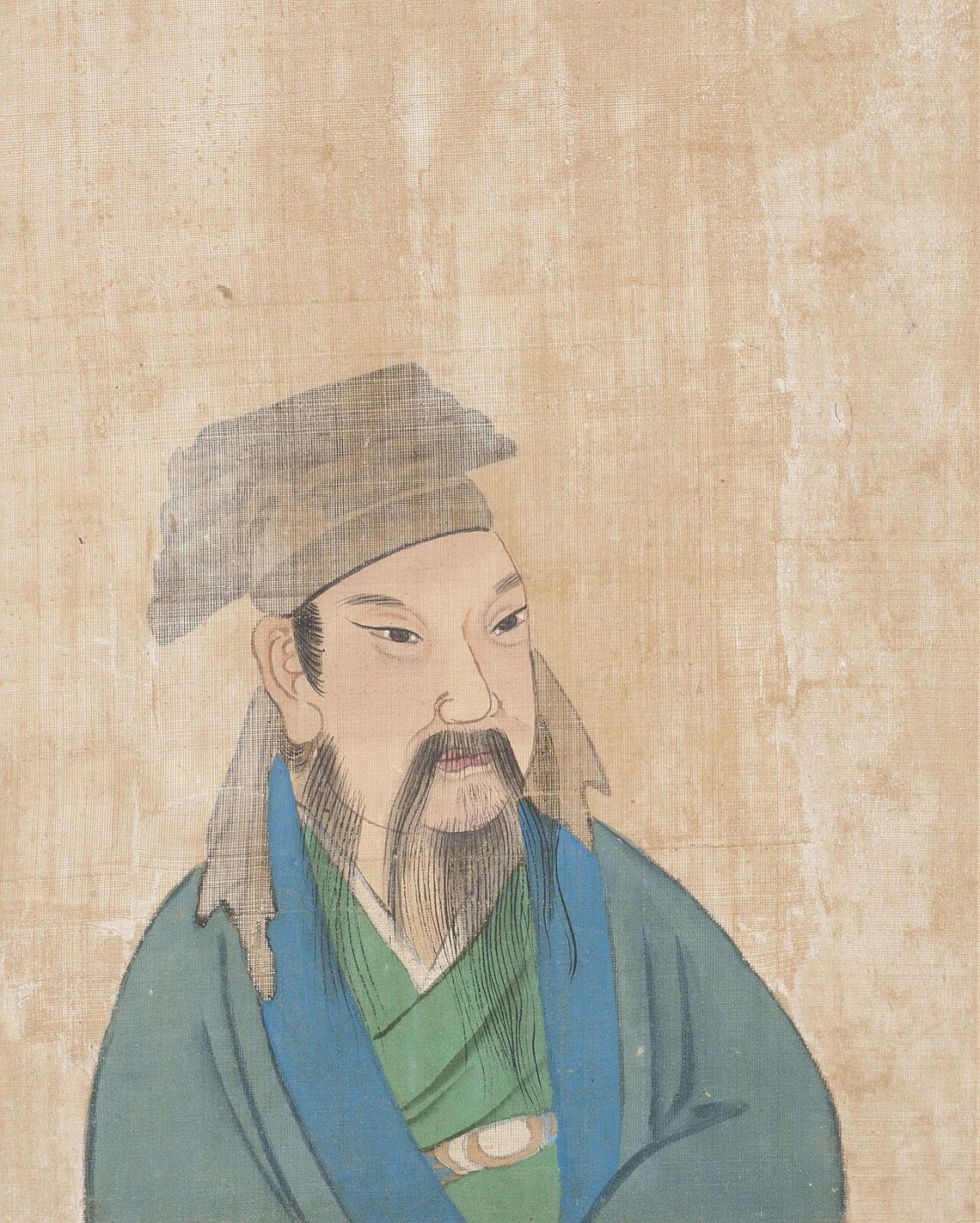
Biography
He was the brushstroke that changed everything. Wang Xizhi didn’t just write Chinese characters—he transformed calligraphy into an art form that would define an entire civilization. Born in 321 during China’s turbulent Jin Dynasty, he spent forty years perfecting the dance between ink and paper, creating a visual language so fluid and expressive that emperors and scholars alike couldn’t look away. His techniques didn’t just influence his contemporaries; they became the blueprint for centuries of calligraphers who worshipped at the altar of his artistry.
What made Wang legendary wasn’t technical perfection alone—it was the soul he poured into every stroke. His characters breathed with personality and movement, capturing something almost spiritual on the page. Fellow artists didn’t just study his work; they obsessed over it, copied it, tried desperately to unlock his secrets. By the time he died in 361, Wang Xizhi had already cemented his place as the undisputed master of his craft, the calligrapher against whom all others would be measured.
His tomb in Zhejiang province still stands as a pilgrimage site, a testament to how deeply one artist’s hand could reshape an entire cultural tradition. Wang Xizhi proved that true mastery transcends the moment—it echoes through eternity.
Cemetery Map
View larger map →Satellite overview of the cemetery grounds.