Wilfrid Laurier 1841 – 1919
Biography
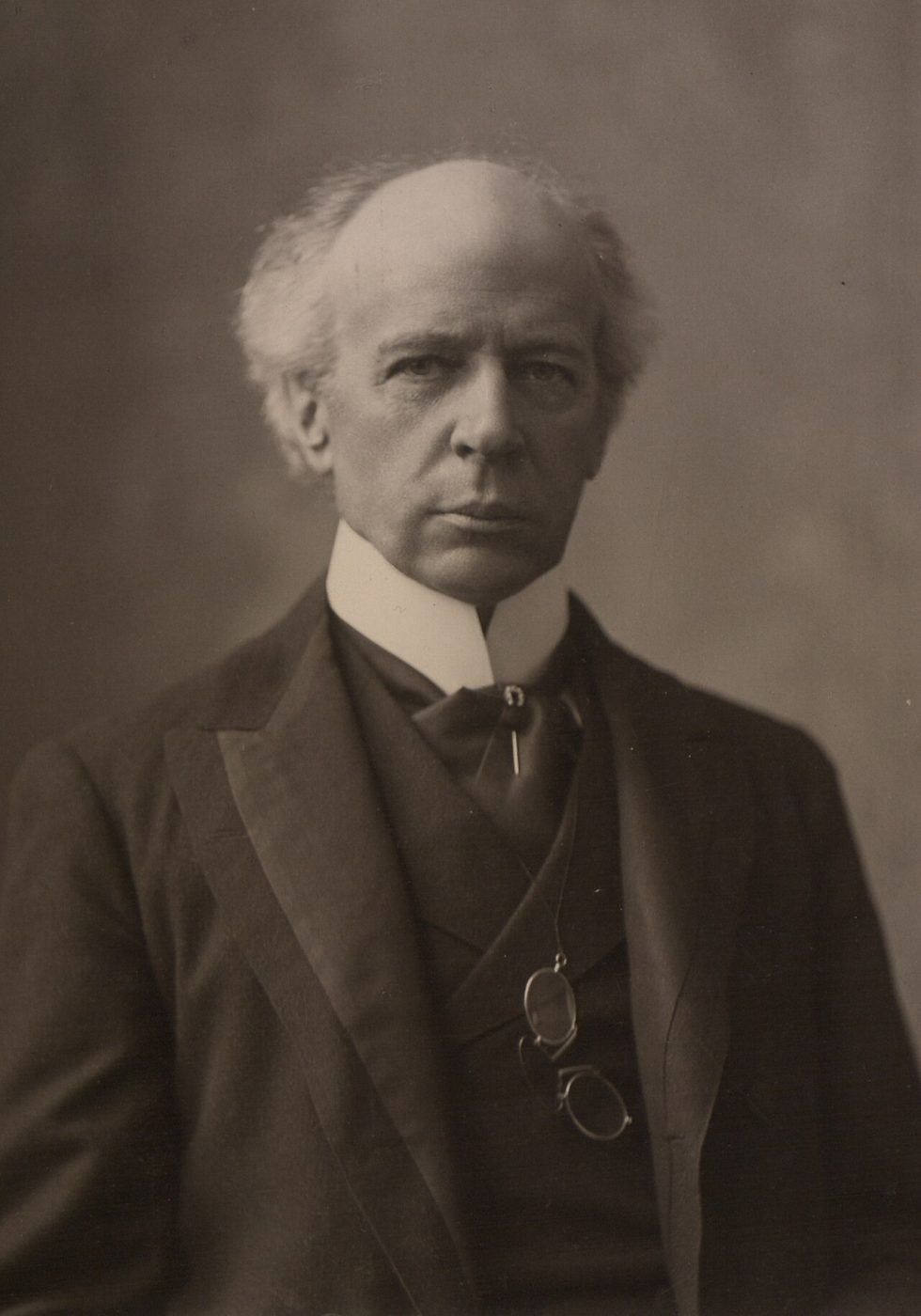
Wilfrid Laurier commanded Canadian politics like few leaders before or since—a chameleonic statesman who held the nation’s highest office during its most formative years. Born into rural Quebec French-Canadian roots in 1841, Laurier rose to become the seventh Prime Minister, mastering the delicate art of balancing the country’s fractured identity. His was the voice that whispered compromise when Canada threatened to tear itself apart over language, faith, and regional loyalty.
For years, Laurier orchestrated the impossible: keeping French and English Canada from open warfare while charting the young Dominion’s path through treacherous national questions. He understood that survival meant threading needles—give too much to one side, and the other revolted. His tenure became the template for Canadian governance itself: negotiation over confrontation, unity over ideology.
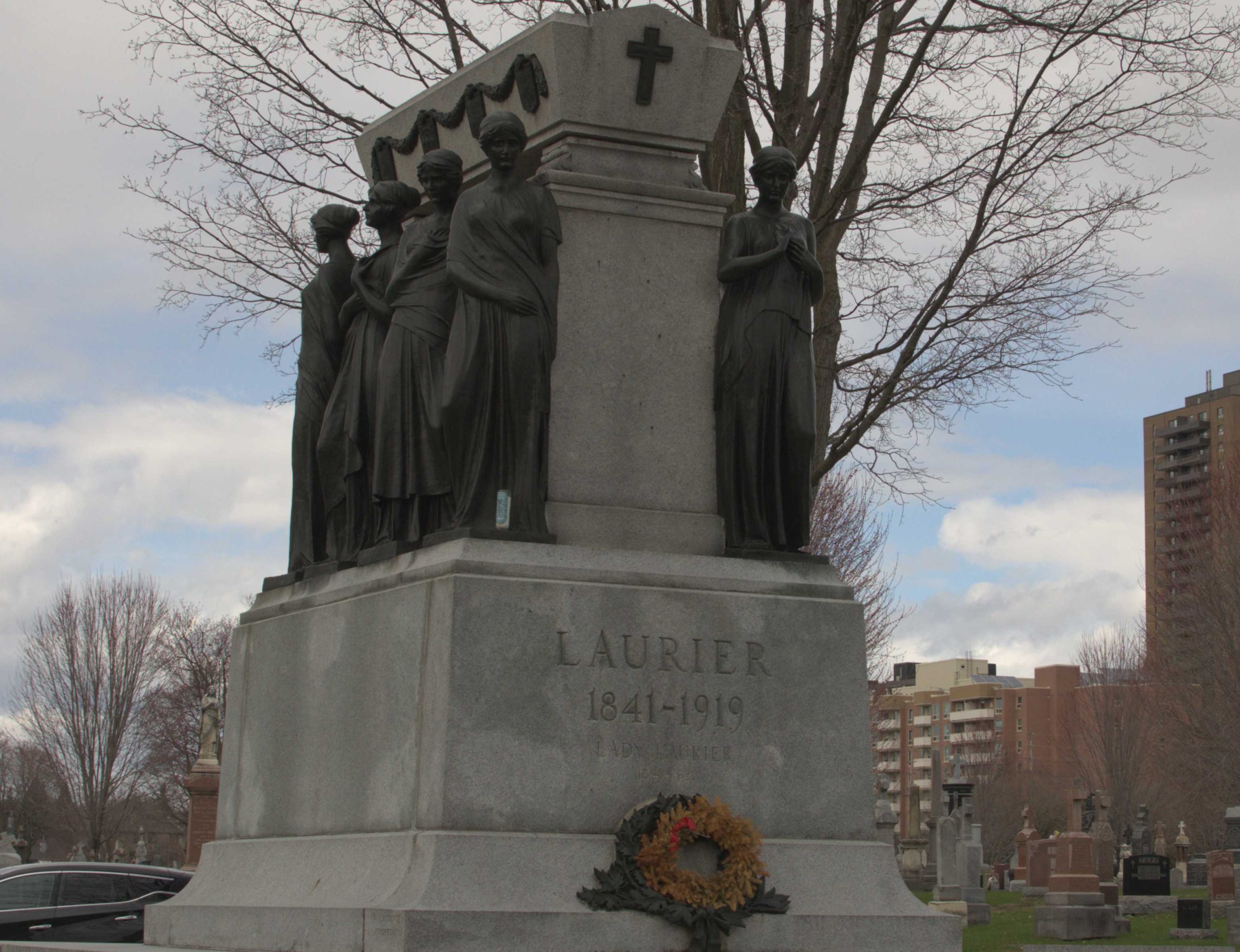
On February 17, 1919, the man who’d held the country together suffered a stroke, dying at 77. Ottawa buried him at Notre-Dame Cemetery, but his ghost lingers in every compromise Canadian politicians would make for a century to come. Laurier didn’t just lead a nation; he invented the delicate choreography that kept it dancing.
More Images
Cemetery Map
View larger map →Satellite overview of the cemetery grounds.