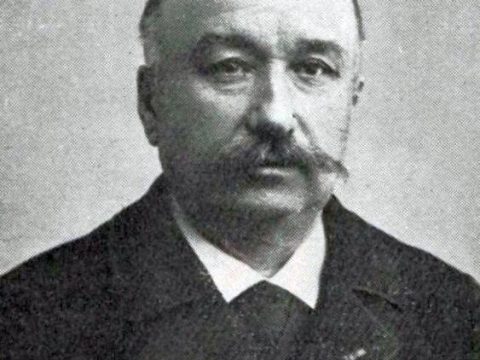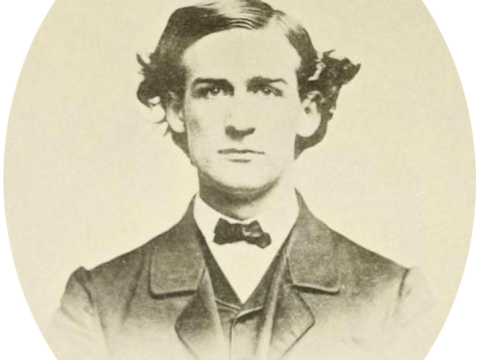
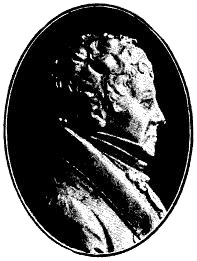
Wilhelm Hisinger 1766 – 1852
Biography
Wilhelm Hisinger was born on December 23, 1766, in Västmanland, Sweden, during an era of remarkable scientific advancement across Europe. He devoted his life to the study of chemistry and mineralogy, fields that were rapidly evolving and reshaping humanity’s understanding of the natural world. Through his work, Hisinger contributed to the growing body of Swedish scientific knowledge during a period when the nation was establishing itself as a center of intellectual inquiry and discovery.
Throughout his long life, Hisinger remained dedicated to his scientific pursuits, earning recognition as a respected chemist and mineralogist in his homeland. His career spanned decades of transformative scientific progress, and he witnessed firsthand the tremendous changes that chemical and mineralogical research brought to understanding Earth’s composition and properties. Hisinger’s commitment to rigorous investigation and observation exemplified the spirit of scientific inquiry that characterized his era.
Wilhelm Hisinger passed away on June 28, 1852, in Skinnskatteberg at the age of eighty-five, leaving behind a legacy rooted in his contributions to Swedish science. His life represented a dedication to understanding nature through careful study and experimentation, ideals that continue to inspire scientific work.