Wilhelm Kienzl 1857 – 1941
Biography
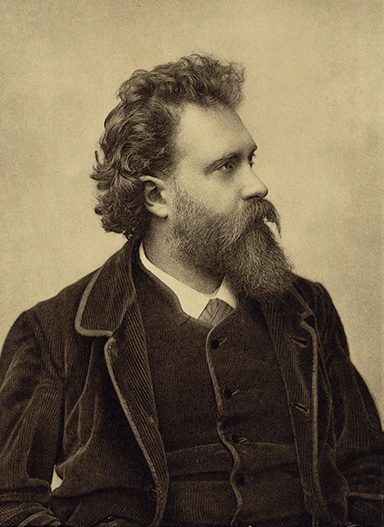
Wilhelm Kienzl emerged as a defining voice in late 19th-century Austrian music, channeling the romantic sensibilities of his era into compositions that captivated Vienna’s discerning concert halls. Born in the modest Waizenkirchen in 1857, this Austrian composer would dedicate over six decades to shaping the nation’s musical landscape during one of Europe’s most turbulent periods. His work reflected the artistic temperament of fin-de-siècle Vienna, earning him recognition among the continent’s most serious musicians.
Kienzl’s career unfolded across more than eighty years of artistic engagement, witnessing seismic shifts in Austrian society and European culture. Based in Vienna—the undisputed epicenter of classical tradition—he maintained an unwavering commitment to composition throughout an era that saw the empire’s rise and fall. His contributions became embedded in Austria’s cultural fabric, representing a bridge between romantic idealism and modernist change.
When Kienzl died in Vienna on October 3, 1941, he left behind a legacy rooted in Austrian musical tradition. Interred at Vienna Central Cemetery, his final resting place stands among those of the nation’s most celebrated artists, cementing his position as a significant figure in the country’s enduring cultural heritage.
Cemetery Map
View larger map →Satellite overview of the cemetery grounds.