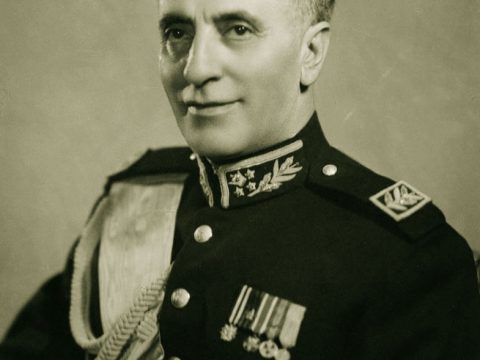
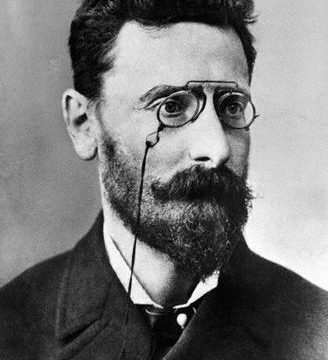
Wilhelm Zaisser 1893 – 1958
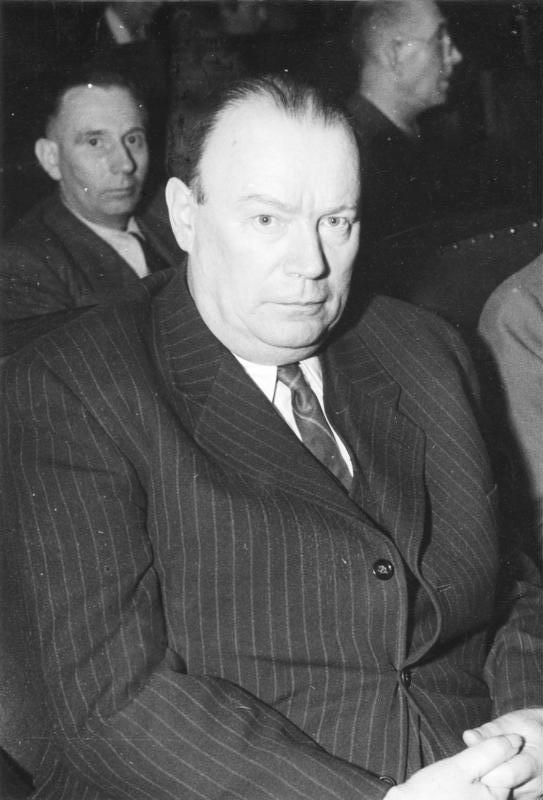
Biography
Born into Germany’s turbulent years, Wilhelm Zaisser emerged as a commanding figure in twentieth-century German politics, his career spanning the nation’s most seismic transformations. From the Weimar period through the Cold War divide, Zaisser positioned himself at the center of consequential political moments, earning recognition as a key player in shaping his country’s trajectory during an era of radical upheaval.
Zaisser’s decades of political engagement carved out a distinctive legacy in German civic life. Operating primarily in the German-speaking world, he became known for his intellectual contributions to political discourse, establishing himself as a serious voice in matters of state. His work reflected the ideological ferment and hard choices that defined his generation’s political reality.
The Rotthausen-born statesman spent his final years in East Berlin, remaining active in political affairs until his death on March 3, 1958, at sixty-four. Zaisser’s passage marked the end of an era—a life lived entirely within the furnace of twentieth-century German history, his influence woven into the contested fabric of Cold War-era politics.