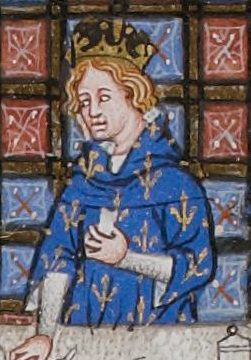
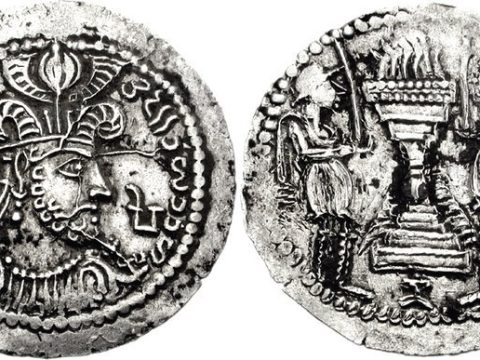
William the Conqueror 1028 – 1087
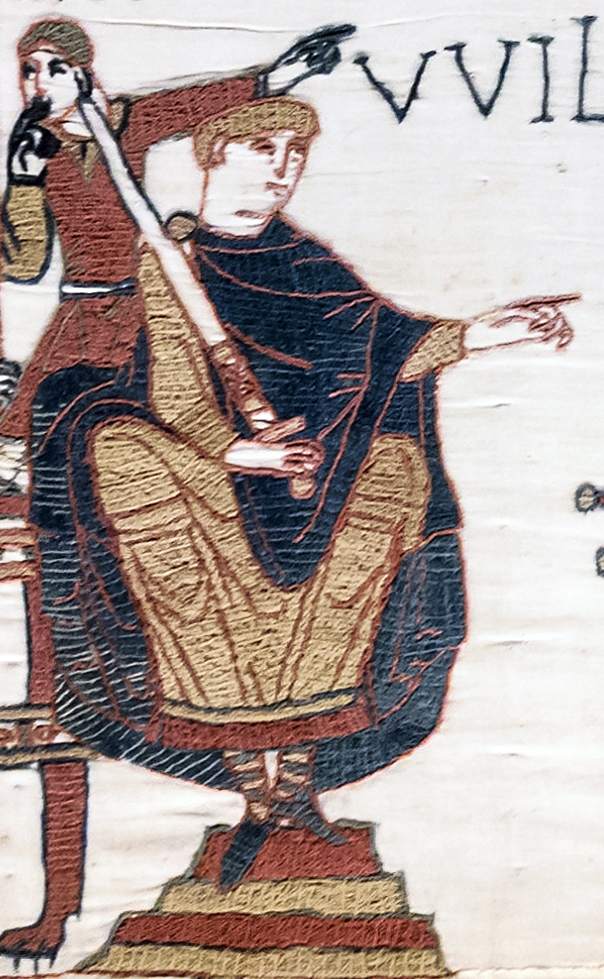
Biography
He didn’t just win a crown—he rewrote history. In 1066, William of Normandy crossed the English Channel and claimed the throne of England, cementing one of medieval Europe’s most audacious power grabs. For more than two decades, he ruled as both Duke of Normandy and King of England, wielding unprecedented dual authority that reshaped politics on both sides of the Channel.
Born in 1028 in Falaise, William inherited Normandy at just seven years old and spent decades consolidating his Norman power base before his legendary gambit for England. What began as a disputed succession claim became a seismic shift in English culture, governance, and bloodlines—Norman influence would flow through English institutions for centuries to come.
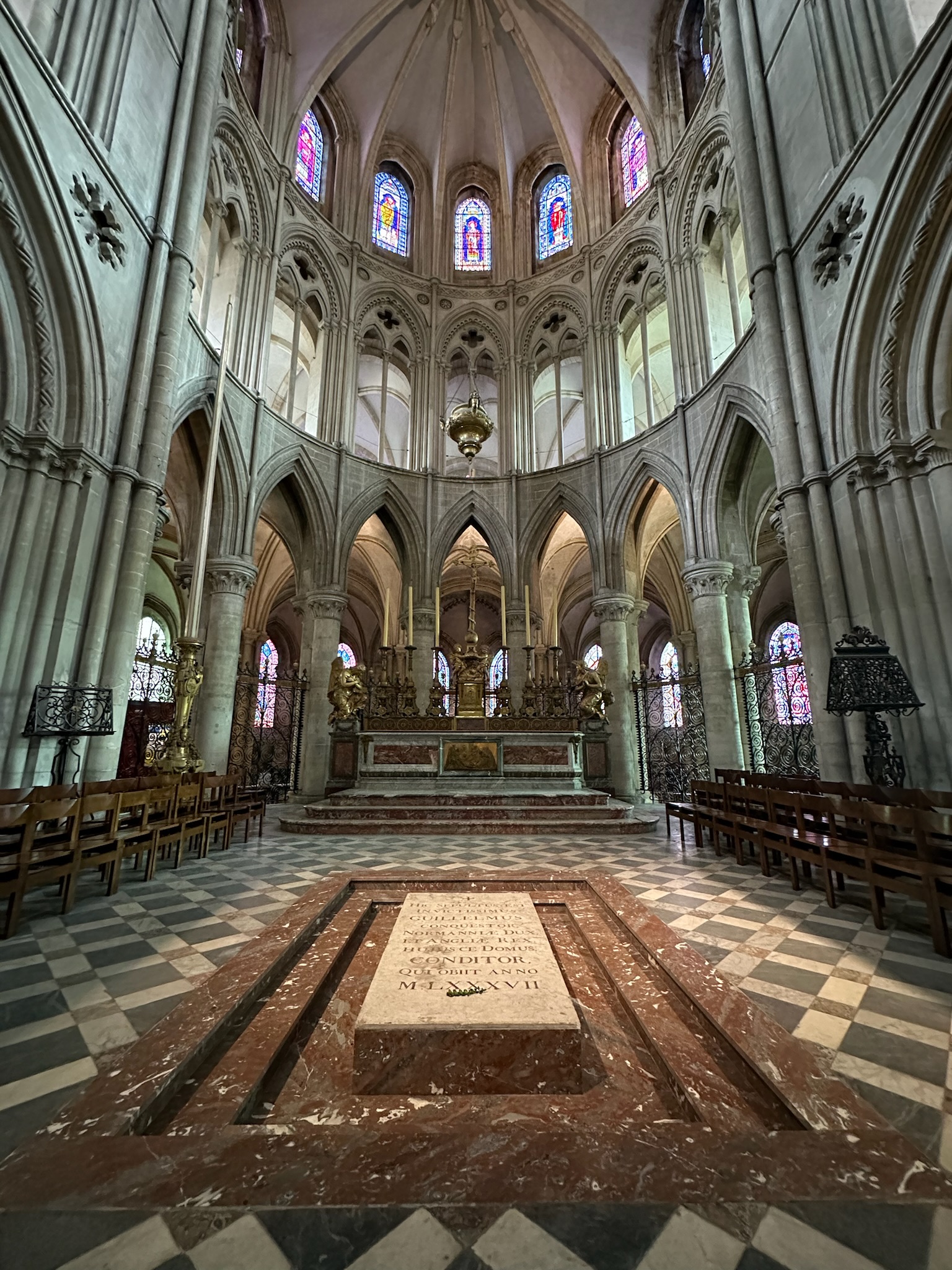
When William died in Rouen on September 15, 1087, he left behind an empire that had fundamentally transformed the island kingdom he’d conquered. Buried at the Abbey of Saint-Étienne in Caen, his legacy transcended the medieval battlefield: the Conqueror’s descendants would define England’s future, making him one of history’s most consequential rulers.
More Images
Cemetery Map
View larger map →Satellite overview of the cemetery grounds.