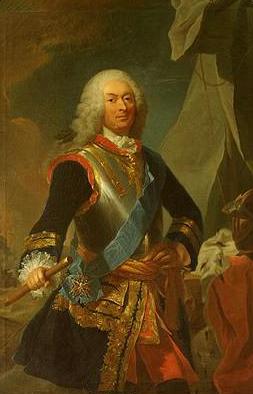
William VIII, Landgrave of Hesse-Kassel 1682 – 1760
Biography
Born into power in 1682 Kassel, William VIII commanded one of the German territories’ most influential principalities during an era that reshaped Europe entirely. As Landgrave of Hesse-Kassel, he wielded considerable authority within the Holy Roman Empire’s labyrinthine political network, steering his lands through the seismic shifts from the early modern world into the Enlightenment. His nearly eight-decade tenure placed him among the era’s key regional players—a statesman navigating dynastic ambitions, shifting alliances, and the intricate diplomacy required to keep his territory relevant and prosperous.
William VIII’s legacy embodied the complexity of 18th-century German leadership: balancing tradition with the intellectual currents sweeping across Europe, maintaining territorial influence amid constant power plays, and preserving Hesse-Kassel’s standing as the continent transformed. He died in February 1760 at an advanced age, leaving behind a documented life of aristocratic duty and regional consequence. His burial at the Martinskirche in Kassel stands as a final marker of his deep connection to the land he governed.
Cemetery Map
View larger map →Satellite overview of the cemetery grounds.