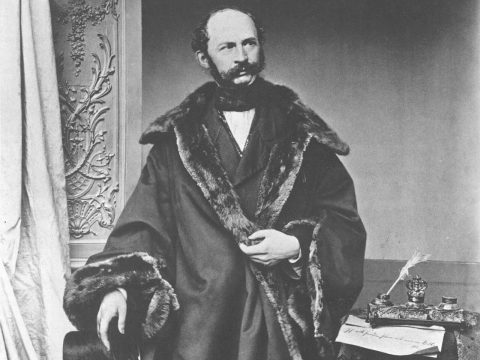
Wolfgang Kapp 1858 – 1922
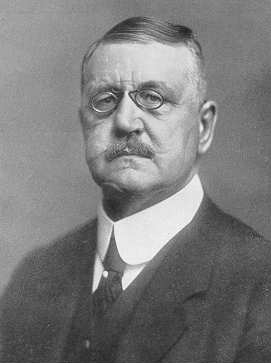
Biography
Born in New York to Prussian parents, Wolfgang Kapp carved out an unlikely career as a Prussian civil servant and political agitator whose name would become synonymous with one of Weimar Germany’s most explosive power grabs. His journalism and administrative work positioned him at the center of Germany’s turbulent postwar politics, where frustrated militarists and conservatives plotted their boldest move yet.
In 1920, Kapp became the unlikely figurehead of the Kapp-Putsch, a failed coup attempt that sent shockwaves through the fragile young Weimar Republic. The audacious power play—orchestrated by army officers and right-wing activists who despised the democratic government—tested whether the fledgling democracy could survive its enemies from within. Though the rebellion collapsed within days, it exposed dangerous fractures in Germany’s political foundation that would haunt the nation for years.
Kapp died of cancer in June 1922 at sixty-three, his brief moment at history’s epicenter already fading as Europe lurched toward new crises. His legacy remains inextricably linked to that turbulent interwar chapter when political violence and institutional instability threatened to consume the continent.