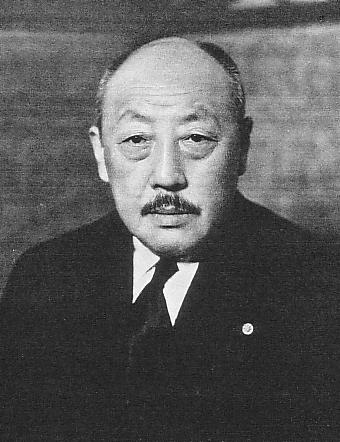
Zhang Jinghui 1871 – 1959
Biography
Zhang Jinghui rose to prominence as a pivotal political figure navigating early twentieth-century China’s turbulent transformation. Born in 1871 during a period of seismic national change, he built a career in public service that spanned decades of shifting alliances, institutional reforms, and evolving governance. His work reflected the ambitions and concerns of Chinese leaders confronting the era’s most pressing challenges.
Throughout his political career, Jinghui engaged with the complex landscape of his time, contributing significantly to the discourse and decision-making that shaped modern China. His decades of public service placed him at the center of consequential historical moments as the nation grappled with profound institutional and political transformation.
Jinghui passed away on November 1, 1959, in Fushun at eighty-eight, his death resulting from heart failure. He left behind the legacy of a generation of public servants who stewarded China through its most substantial transitions—a life defined by political engagement during one of history’s most transformative periods.