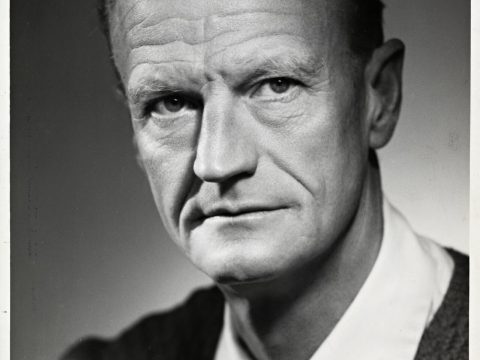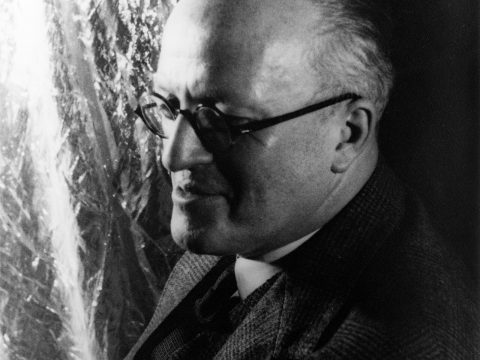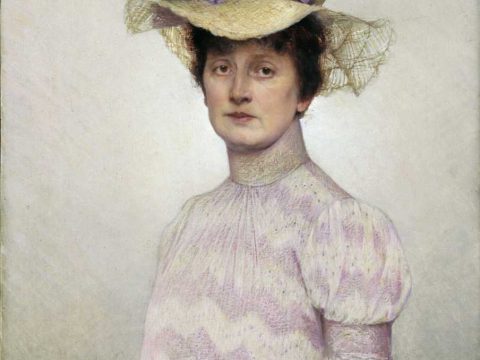
Ziauddin Barani 1285 – 1357
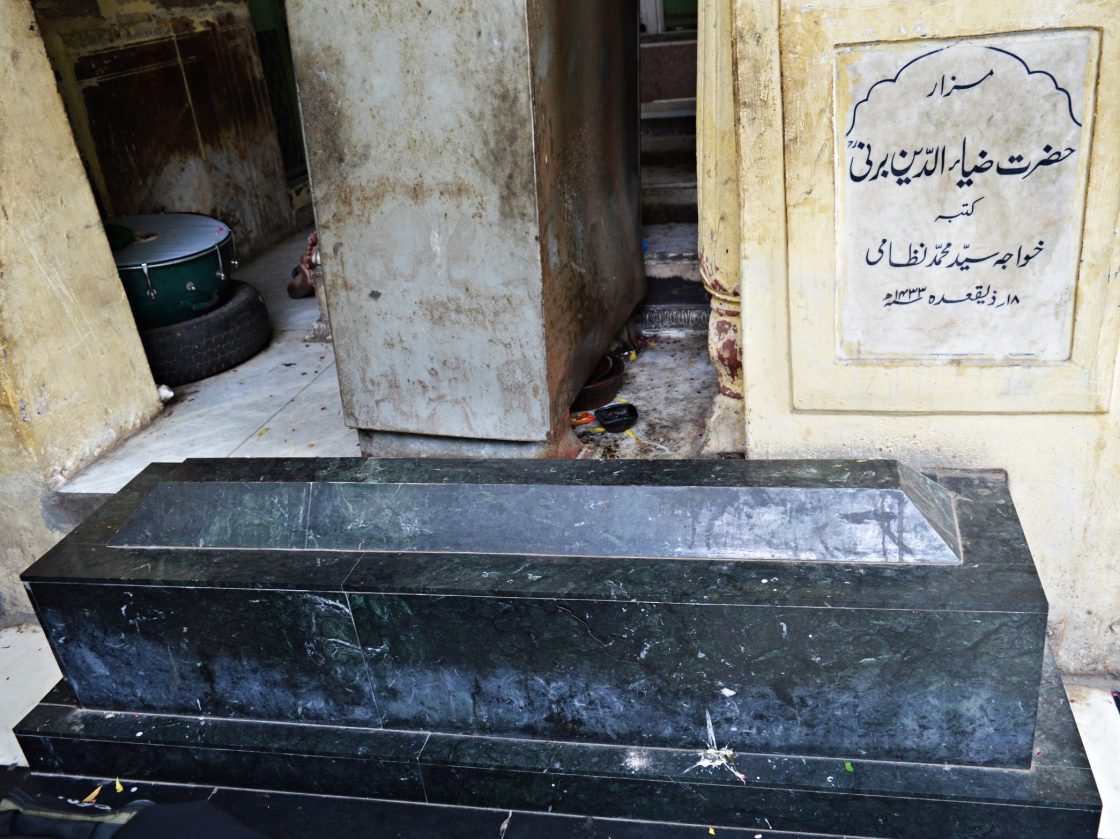
Biography
Ziauddin Barani (1285–1357) was a distinguished Indian Muslim historian and political thinker whose intellectual contributions shaped the understanding of medieval South Asian history and governance. Born on January 1, 1285, he devoted his life to chronicling and analyzing the significant events and political structures of his era, leaving behind a body of work that would influence subsequent generations of scholars and administrators.
Throughout his seventy-two years, Barani engaged deeply with questions of statecraft, governance, and historical documentation. His writings reflected a thoughtful examination of the political and social circumstances of medieval India, offering insights that extended beyond mere chronicle into meaningful analysis of the forces shaping his world. His work represented an important intellectual tradition within Islamic scholarship, combining historical narrative with philosophical reflection on power and society.
Barani passed away on January 1, 1357, concluding a life of scholarly pursuits. Though specific details of his final years remain sparse in historical records, his intellectual legacy endured long after his death. As a historian and political theorist, Ziauddin Barani remains an important figure in the study of medieval Indian history, representing a significant voice in the documentation and interpretation of his turbulent and transformative era.
Cemetery Map
View larger map →Satellite overview of the cemetery grounds.