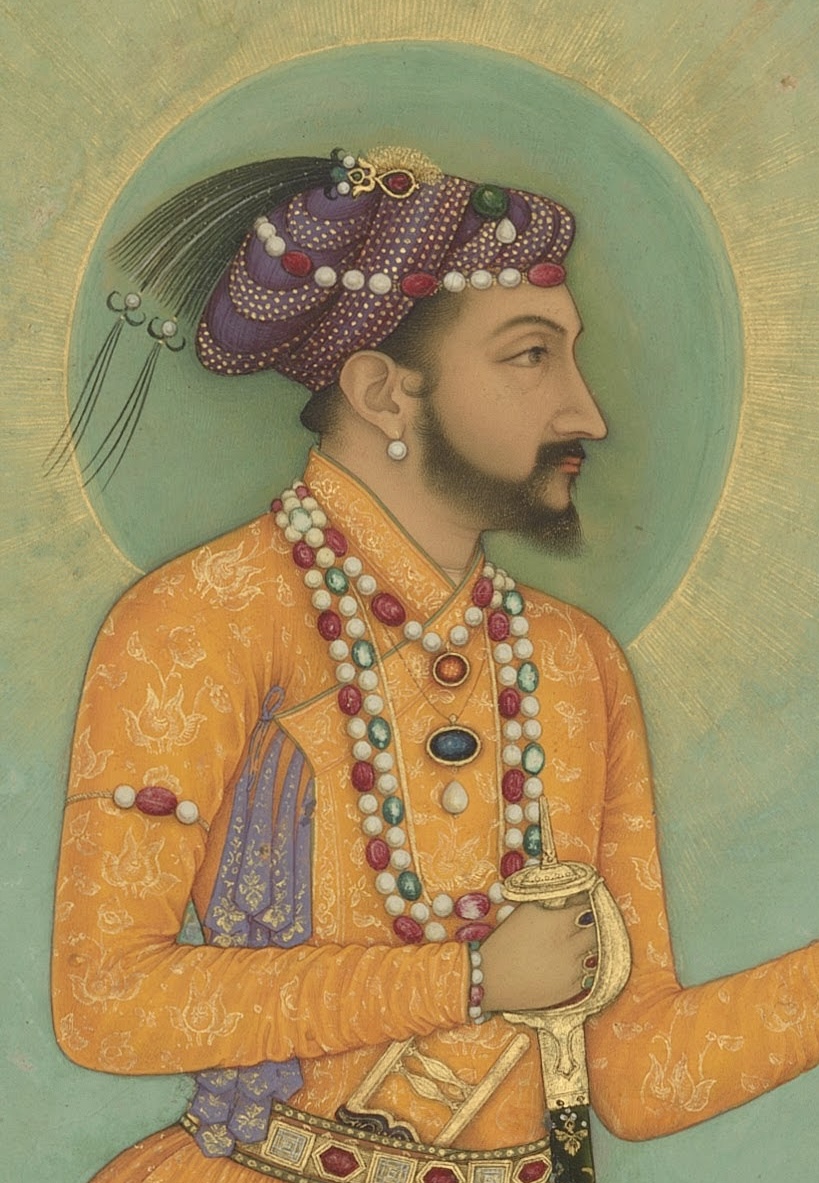
Shah Jahan 1592 – 1666
Biography
Shah Jahan didn’t just rule the Mughal Empire—he transformed it into a golden age of unparalleled artistic ambition. Taking the throne in 1628, the fifth Mughal Emperor commanded one of history’s most powerful dynasties from his palace in Agra, wielding influence across the entire Indian subcontinent for three decades. His reign became synonymous with architectural grandeur and cultural refinement that would echo through centuries.
The emperor’s vision materialized in monuments that still take your breath away. Shah Jahan orchestrated a building spree that defined an era, creating structures of breathtaking beauty and scale that cemented Mughal power in stone and marble. His appetite for monumental architecture reshaped the landscape of South Asia, leaving behind works that remain among the world’s most remarkable achievements.
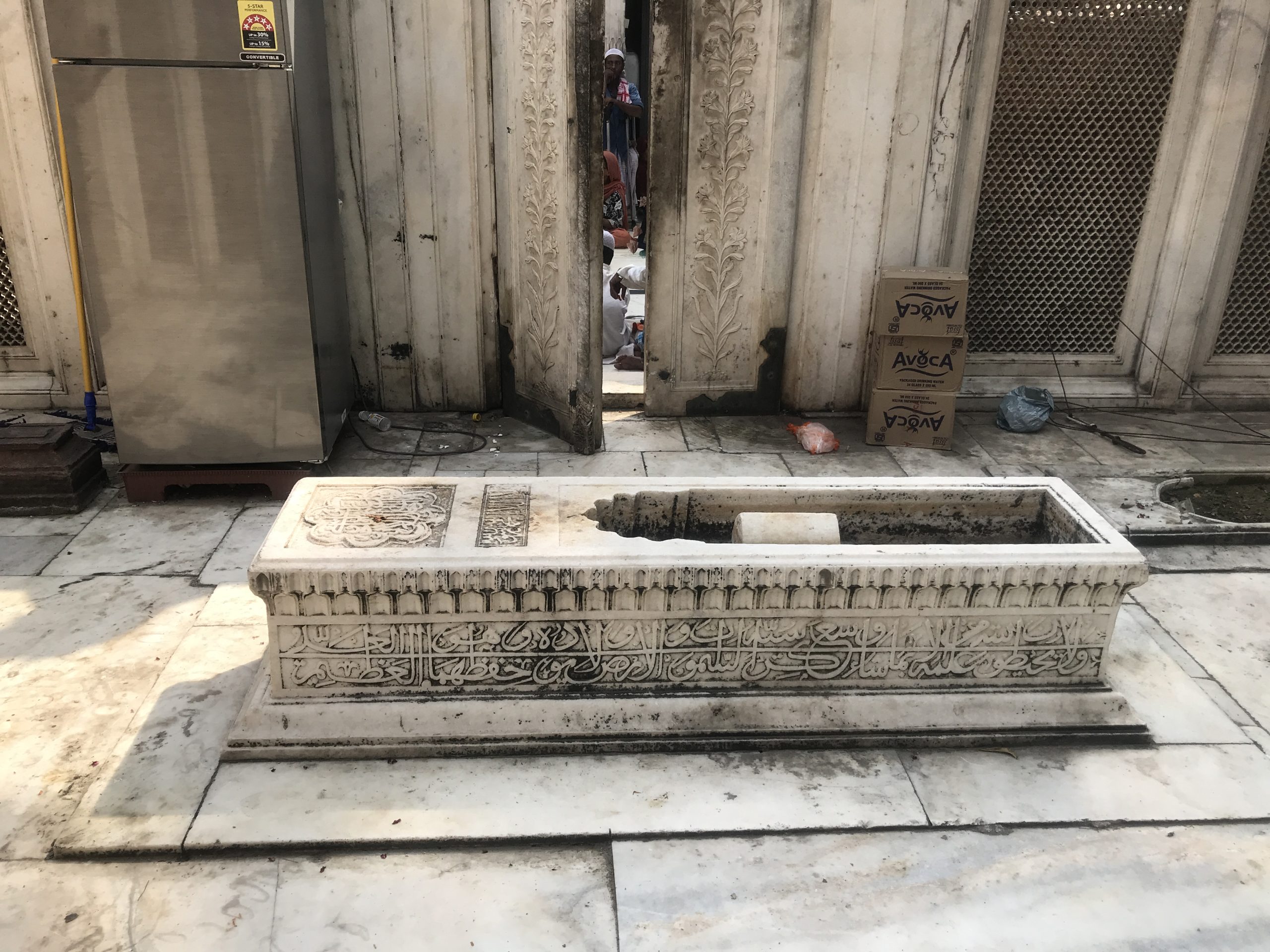
When Shah Jahan died on January 22, 1666, at Agra Fort, his legacy had already transcended mortality. He was laid to rest at the Taj Mahal in Agra—not merely buried there, but enshrined within one of history’s greatest testaments to ambition and beauty. His 74-year life became inseparable from the architectural wonders he left behind, cementing his place as one of history’s most influential empire-builders.
More Images
Cemetery Map
View larger map →Satellite overview of the cemetery grounds.