Antonio Gramsci 1891 – 1937
Biography
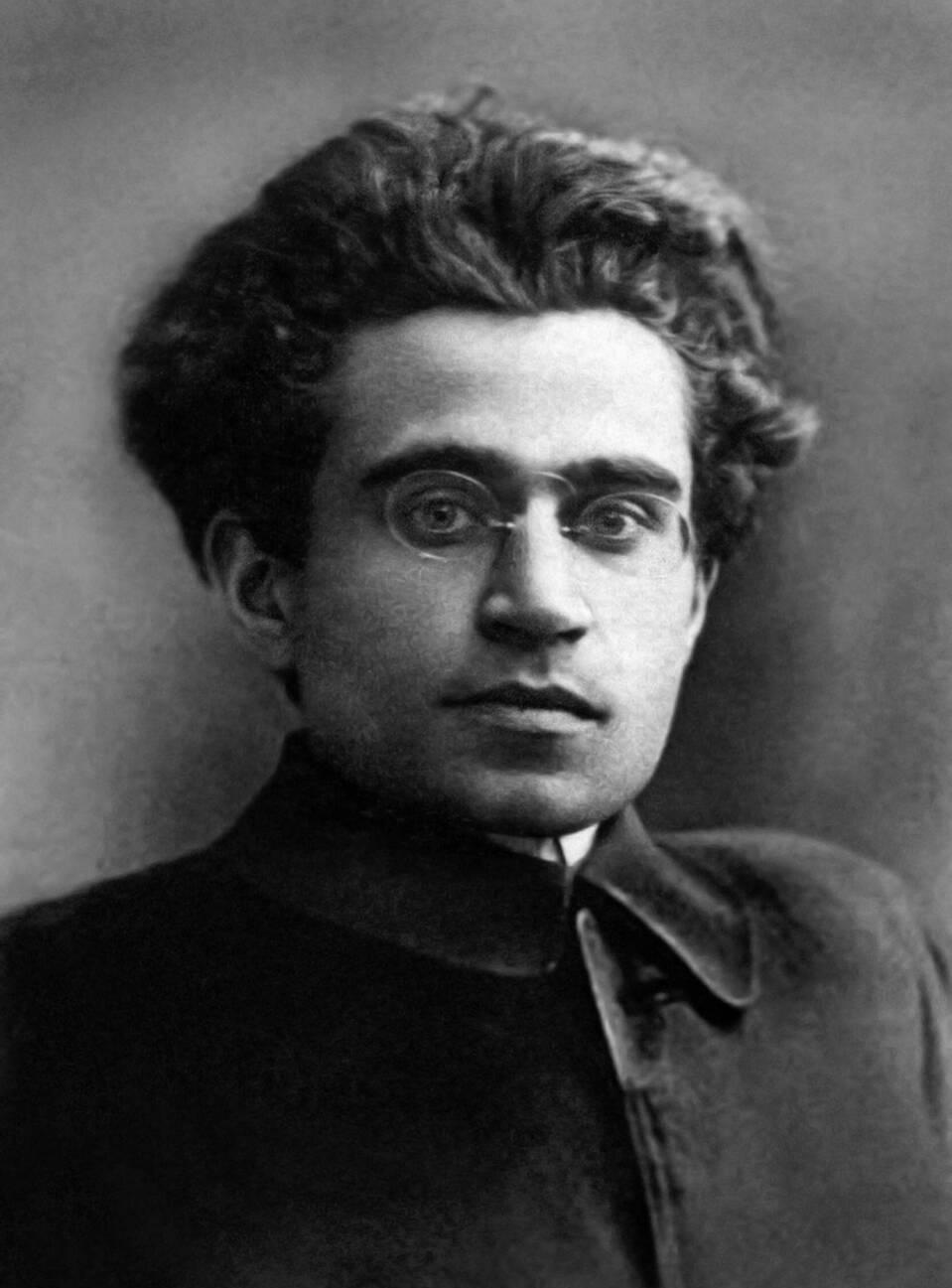
Born in a small Sardinian town, Antonio Gramsci became one of the twentieth century’s most revolutionary thinkers—a philosopher who rewired how we understand power, culture, and resistance. His genius lay in asking what others missed: how do ruling classes stay in control not just through force, but through ideas embedded in everyday life? This concept of “cultural hegemony” became his signature contribution to Marxist theory, reshaping political thought across generations.
Gramsci threw himself into the intellectual ferment of Italy’s most turbulent decades, working as a journalist, activist, and theorist with the intensity of someone who believed ideas could change history. He synthesized philosophy with street-level politics, crafting arguments that moved beyond doctrine to examine how culture itself becomes a battleground. His prolific writings established him as an essential voice in leftist discourse during Europe’s ideological upheaval.
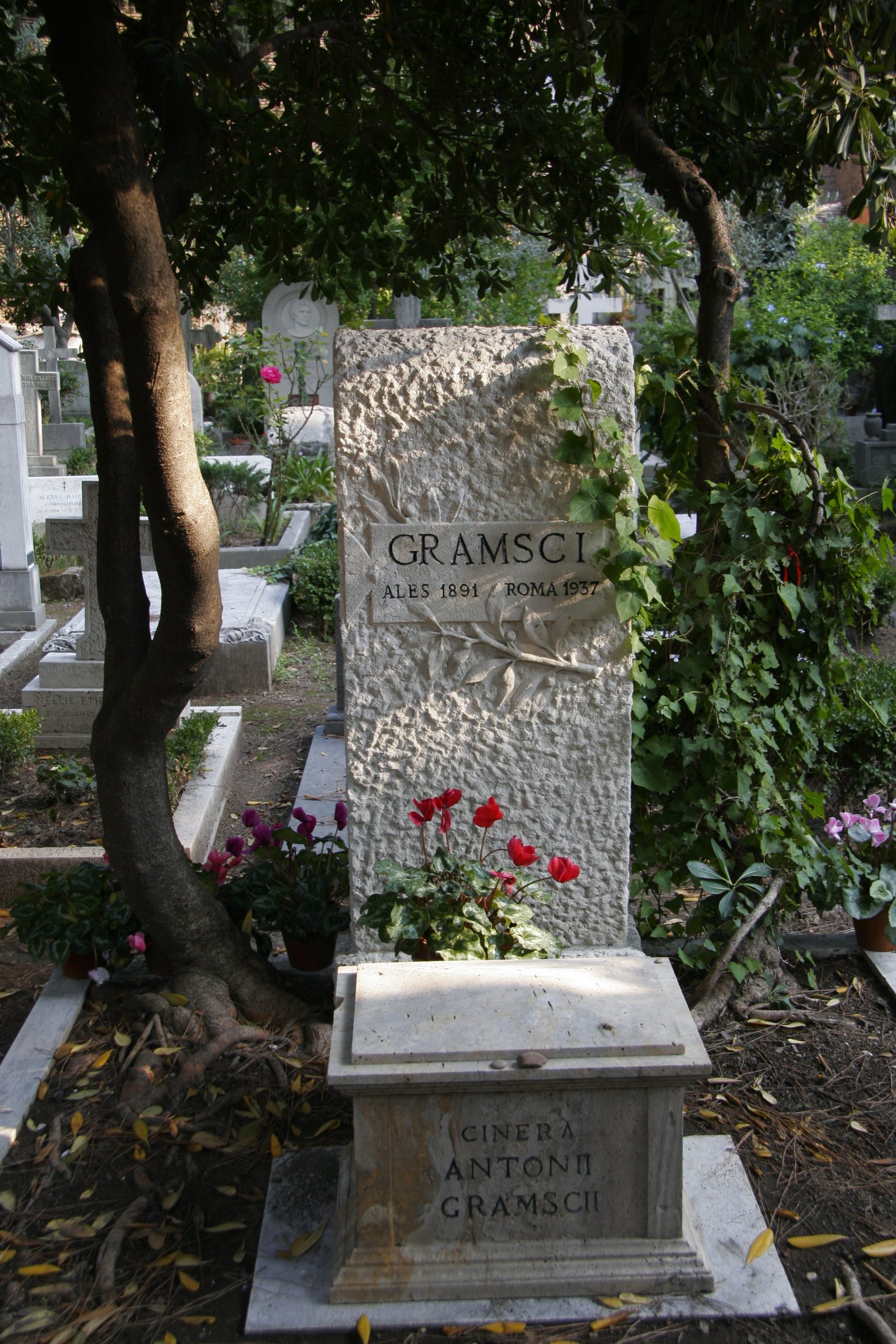
He died in Rome in 1937 at just forty-six, felled by a cerebral hemorrhage. Though his life was cut short, Gramsci’s legacy only deepened with time—his theories continue to animate debates about media, education, and social change, making him one of the few political philosophers whose insights feel urgently relevant decades after his death.
More Images
Cemetery Map
View larger map →Satellite overview of the cemetery grounds.