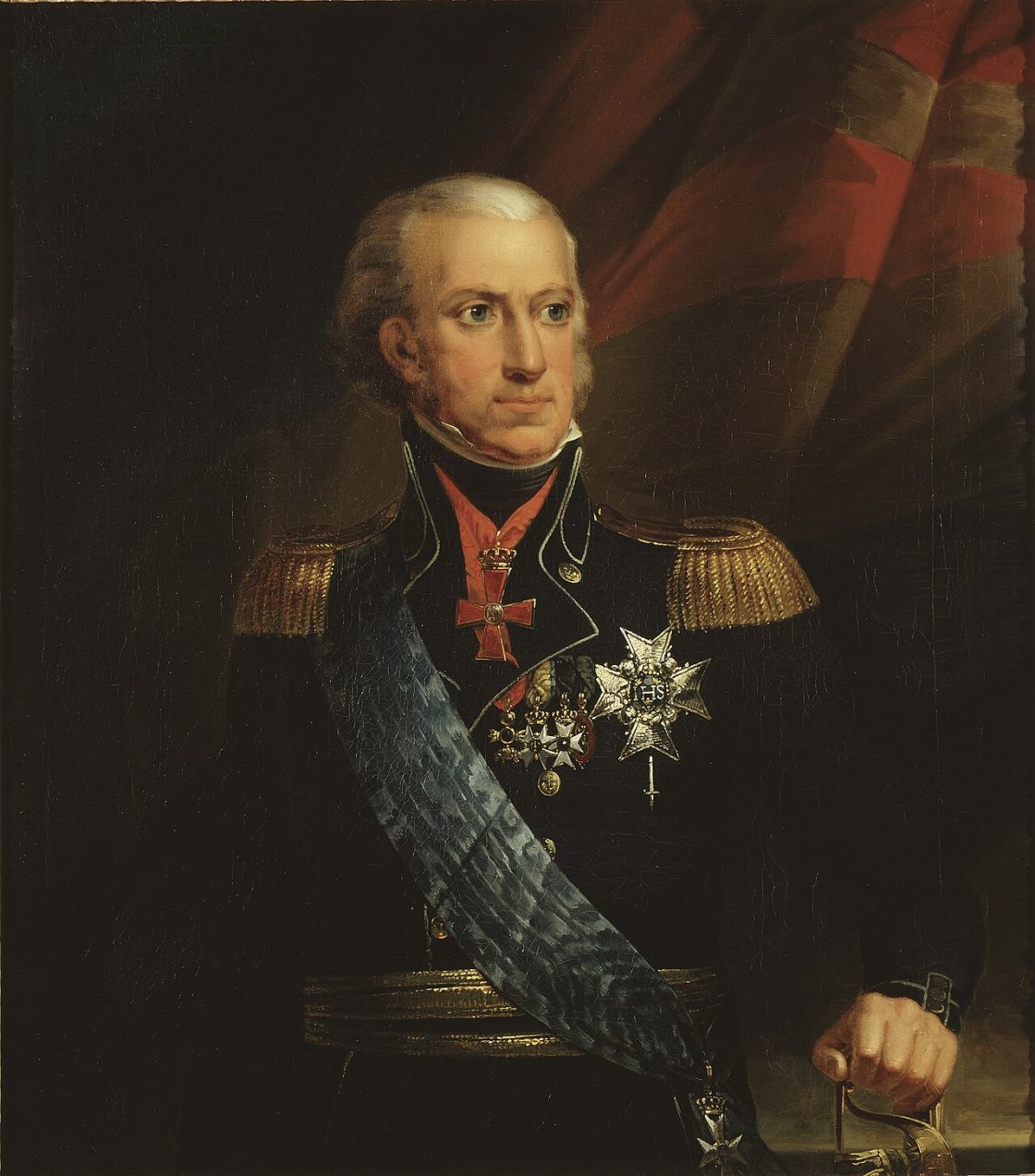
Charles XIII of Sweden 1748 – 1818
Biography
He didn’t seize power through conquest—Charles XIII inherited a kingdom in crisis. Taking Sweden’s throne in 1809 during the turbulent Napoleonic Wars, the Stockholm-born monarch stepped into one of Europe’s most precarious political moments, suddenly ruling both Sweden and Norway as their dual sovereign. His ascension marked a pivotal turning point for Scandinavian monarchies navigating the continent’s violent reshaping.
For nearly a decade, Charles XIII steered two kingdoms through unprecedented upheaval. His reign became defined not by military might but by shrewd political maneuvering during history’s most volatile era—keeping his realms intact while empires crumbled around him. He transformed potential disaster into dynastic survival, leaving the Scandinavian thrones stabilized for generations to come.
The king who’d watched Stockholm’s skyline his entire life—born there in 1748, dead there in 1818—left an indelible mark on Nordic history. At sixty-nine, Charles XIII had done what few monarchs managed: shepherded his nations through apocalyptic continental war and emerged with crowns firmly planted. His final resting place in Stockholm’s Bernadotte crypt stands as testament to a reign that mattered far more than its brevity suggested.
Cemetery Map
View larger map →Satellite overview of the cemetery grounds.