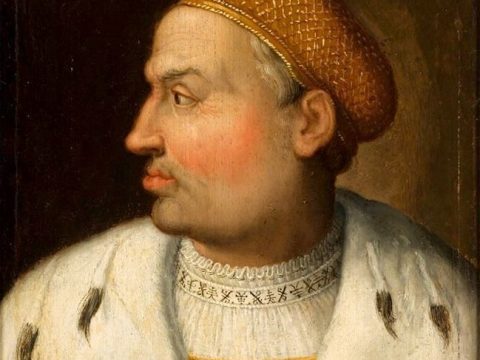
Chongzhen Emperor 1611 – 1644

Biography
The last emperor of China’s Ming Dynasty, Chongzhen inherited a collapsing empire in 1627 and spent his final years fighting an unwinnable battle against history itself. Born into imperial privilege in 1611, he ascended to a throne already sinking under peasant rebellions, military defeats, and hemorrhaging state finances. His reign became a masterclass in tragic leadership—a desperate struggle to salvage a 276-year dynasty crumbling from within.
Chongzhen threw himself into the thankless work of governance, shuffling advisors and military commanders in search of solutions that didn’t exist. As rebel armies closed in on Beijing and the Jurchen threatened from beyond the Great Wall, he faced the impossible choice of every dying empire: surrender or stand firm. On April 25, 1644, as Li Zicheng’s rebel forces breached the capital, the 33-year-old emperor chose death by hanging in Jingshan Park rather than face capture.
His body was eventually interred at Siling Mausoleum among the Ming rulers he’d failed to save. History remembers Chongzhen as neither villain nor visionary, but as a man overwhelmed by forces beyond any mortal’s control—the final, tragic chapter of a dynasty that had defined China for centuries.
Cemetery Map
View larger map →Satellite overview of the cemetery grounds.