Edward Newton 1832 – 1897
Biography
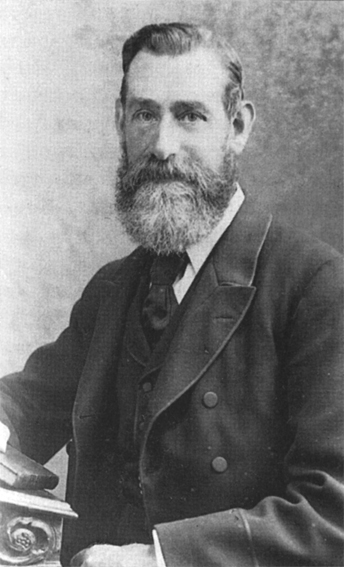
Edward Newton was born on November 10, 1832, in Elveden, beginning a life that would span the nineteenth century and leave its mark across two continents. Throughout his career, he distinguished himself as both a devoted ornithologist and a skilled colonial administrator, roles that often complemented one another as he served in distant corners of the British Empire.
His work as a colonial administrator placed him at the heart of British imperial service during a transformative era. Yet it was his passion for ornithology—the study of birds—that truly defined his legacy. This dual expertise allowed him to contribute meaningfully to the understanding of natural history while fulfilling his administrative duties, and his observations of bird life in colonial territories proved valuable to the scientific community.
Edward Newton passed away on April 25, 1897, in Lowestoft, at the age of sixty-four. His life represented the intersection of Victorian science and empire, a period when British administrators and naturalists worked to document and understand the natural world. Those who knew him remembered a man dedicated to careful observation and principled service, whose contributions to ornithology and colonial administration reflected the intellectual currents of his time.