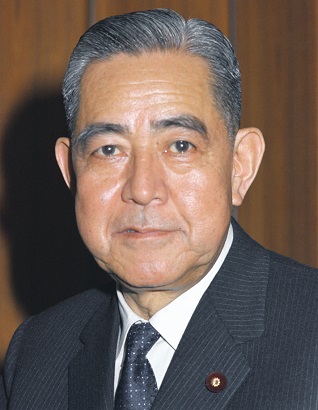
Eisaku Satō 1901 – 1975
Biography
Eisaku Satō commanded Japan’s political stage for nearly a decade as Prime Minister, steering the nation through one of its most pivotal periods. Taking office in 1964, Satō navigated the country through explosive social upheaval and Cold War tensions with a steady hand, becoming a defining voice of Japan’s postwar transformation. His eight-year tenure made him one of Japan’s longest-serving premiers, a measure of the trust placed in him during turbulent times.
Born in rural Tabuse in 1901, Satō rose through the ranks of Japanese governance to become the architect of stability during an era of unprecedented change. His leadership shaped policies that would echo through decades of Japanese history, positioning the nation on the world stage during a critical moment of national identity and development.
Satō died on June 3, 1975, from a cerebral hemorrhage at age 74, his legacy embedded in the modern Japan he helped build. He was laid to rest at Tsukiji Hongan-ji, remembered as a statesman who guided his country through one of history’s most transformative chapters.
Cemetery Map
View larger map →Satellite overview of the cemetery grounds.