Eva Hesse 1936 – 1970
Biography
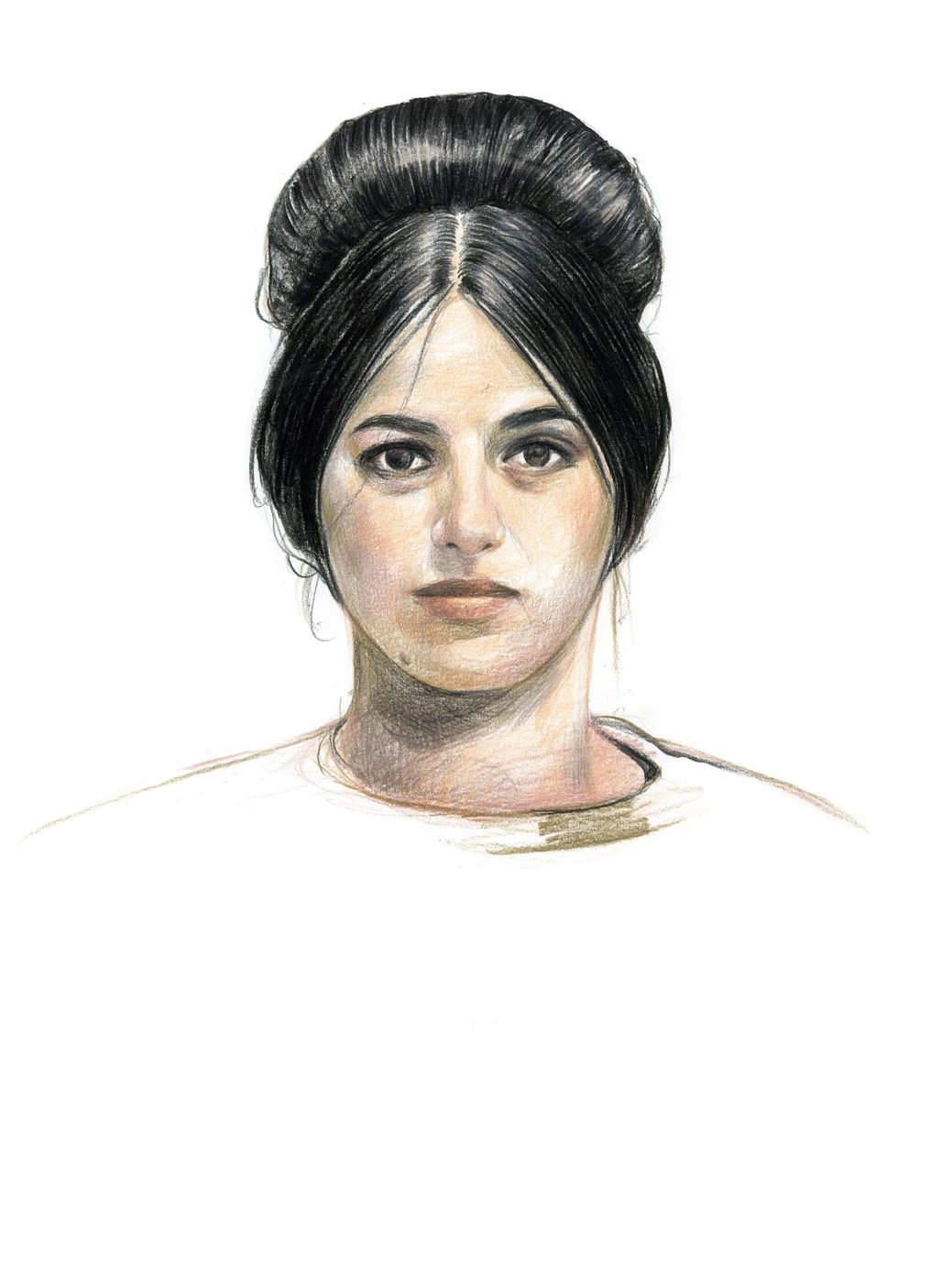
Eva Hesse exploded onto the New York art scene with a radical vision: sculpture didn’t have to be rigid, precious, or predictable. Born in Hamburg in 1936 and raised in America after fleeing Nazi Germany, she became a sculptural revolutionary who ditched marble and bronze for latex, fiberglass, rope, and wire. Her fearless experiments with unconventional materials challenged everything the art establishment thought sculpture should be, proving that vulnerability and impermanence could be as powerful as permanence.
Working out of her studio in lower Manhattan, Hesse created dreamlike, tactile pieces that merged sculpture with textile traditions—organic forms that looked like they were melting, growing, or breathing. Her intellectual rigor matched her creativity; she wasn’t just playing with materials, she was fundamentally rethinking what art could express. Despite recognition from her peers and the broader contemporary art world, Hesse’s astonishing career was cut brutally short when brain cancer claimed her life at just 34 in May 1970.
Though she died before turning 35, Hesse’s influence echoed through decades of artists who followed. Her fearless embrace of ephemeral materials and unconventional forms rewrote the rules of modern sculpture, cementing her as a visionary whose legacy remains vital and revolutionary.