Hiranuma Kiichirō 1867 – 1952
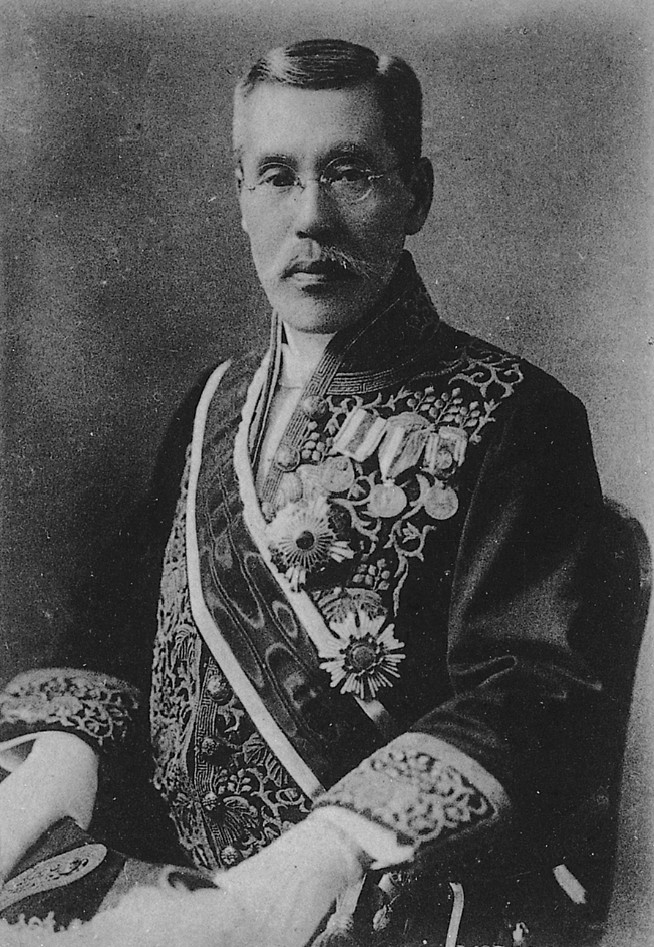
Biography
Hiranuma Kiichirō commanded Japanese political life across one of the nation’s most turbulent centuries, emerging as a defining figure during Japan’s metamorphosis from feudal society to modern power. Born in 1867 as the country itself was being remade, he navigated decades of seismic change—from industrialization through world wars to postwar reconstruction—positioning himself at the heart of national decision-making during each transformative phase.
His career stretched across the full arc of modern Japanese history, allowing him rare perspective on the forces reshaping his nation. While the specifics of his political achievements await fuller historical examination, his longevity and prominence speak volumes: Hiranuma remained a significant player in Tokyo’s corridors of power well into Japan’s postwar period, witnessing firsthand the country’s complete reinvention.
When he died in 1952 at eighty-four, Hiranuma left behind a legacy woven into Japan’s most consequential era. Buried at Tama Cemetery, his grave marks the resting place of a man who lived through—and helped shape—an age that fundamentally altered his nation’s destiny and global standing.
Cemetery Map
View larger map →Satellite overview of the cemetery grounds.