Jacques de Vaucanson 1709 – 1782
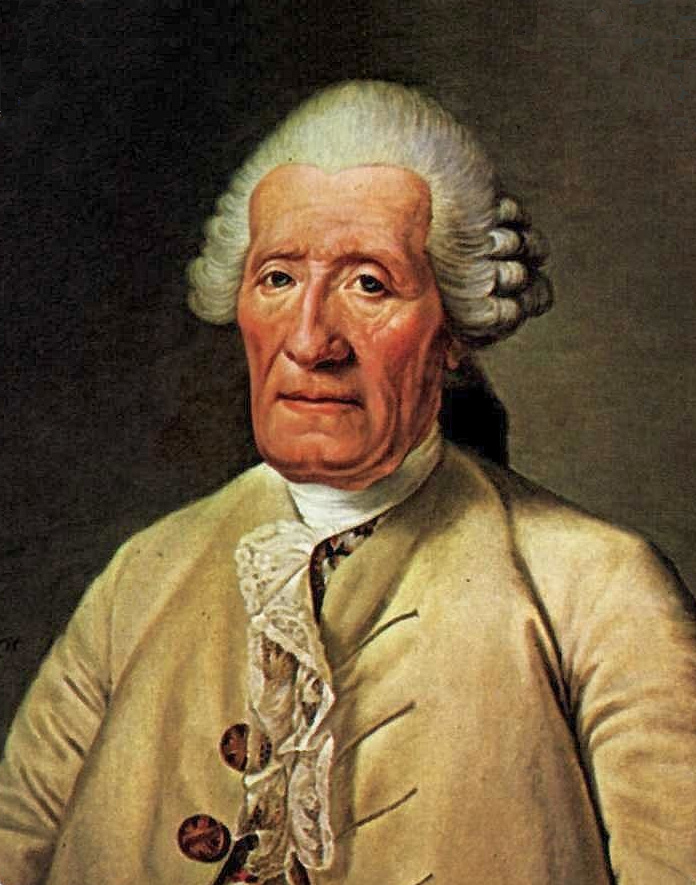
Biography
Jacques de Vaucanson made Europe stop and stare by building machines that moved like living things. The 18th-century French engineer created mechanical automata of such jaw-dropping precision that audiences couldn’t believe their eyes—a mechanical duck that flapped, ate, and digested; a flute player whose fingers actually worked the instrument. These weren’t parlor tricks; they were engineering masterclasses that revealed the hidden mechanics of movement itself.
Working from his base in Paris, Vaucanson pushed mechanical innovation into uncharted territory, proving that human ingenuity could replicate the most complex biological functions. His automata became the sensation of European salons and scientific circles, blurring the line between art and engineering in ways that captivated Enlightenment thinkers. Beyond the showpieces, his technical breakthroughs in automation and mechanical design rippled through the industrial world.
Vaucanson’s legacy transcended his era—a bridge between artisan craftsmanship and modern engineering that inspired everything from clockwork to industrial machinery. When he died in Paris in 1782, he left behind not just ingenious contraptions, but a revolutionary vision of what machines could do.