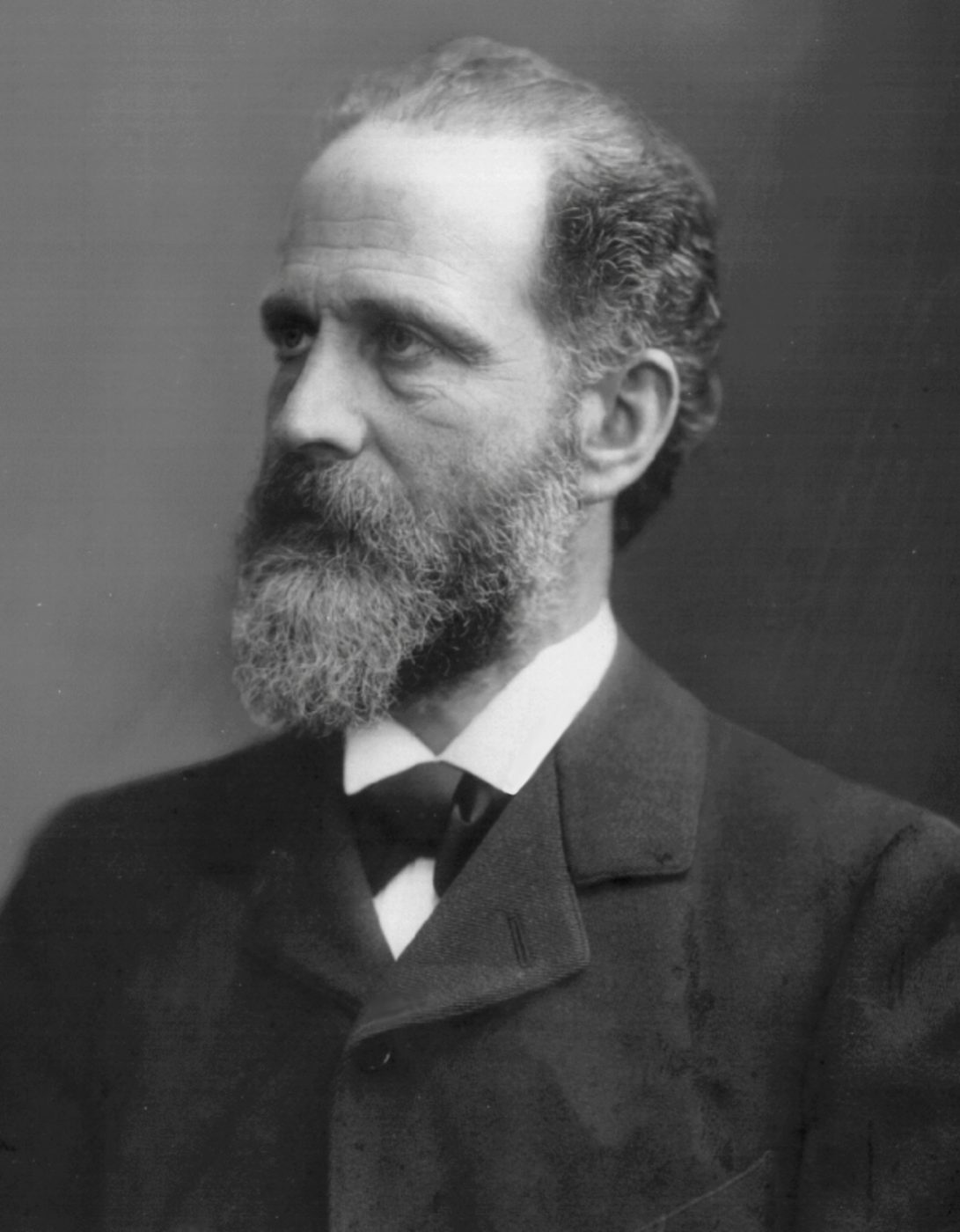
Viktor Meyer 1848 – 1897
Biography
Viktor Meyer revolutionized nineteenth-century chemistry through relentless innovation and pedagogical brilliance. Born in Berlin in 1848, this German chemist became a towering figure in scientific academia, establishing himself at Heidelberg—Germany’s intellectual powerhouse—where he mentored generations of students while conducting groundbreaking research. Meyer embodied the era’s rigorous Germanic scientific tradition, pushing chemistry’s boundaries with the same precision that defined his meticulous laboratory work.
A dedicated educator as much as a researcher, Meyer transformed abstract chemical principles into teachable knowledge, influencing the discipline’s trajectory across Europe. His contributions to fundamental chemical science earned him considerable peer recognition, positioning him among the era’s most respected minds. Yet Meyer’s brilliance was shadowed by personal struggle—he died by cyanide poisoning on August 8, 1897, at just forty-eight, leaving behind an unfinished body of work and countless protégés. He was buried at Heidelberg’s Bergfriedhof, his legacy woven into the scientific heritage he helped forge.
Cemetery Map
View larger map →Satellite overview of the cemetery grounds.