Kanō Tan’yū 1602 – 1674
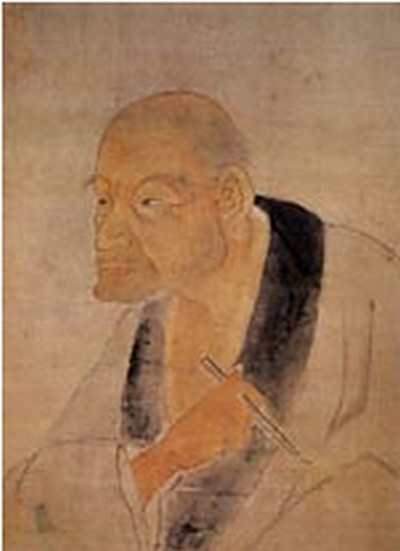
Biography
Kanō Tan’yū was born on March 4, 1602, in Kyoto, Japan, during a transformative period in Japanese art and culture. He entered the world as heir to an artistic legacy that would define much of his remarkable life’s work. Growing up in Kyoto’s vibrant artistic community, Tan’yū was immersed in the traditions and innovations that shaped Japanese visual culture during the early Edo period.
Over the course of his long career, Tan’yū became one of the most influential figures in Japanese painting. His contributions to the art world spanned decades, during which he witnessed and participated in the evolution of Japanese artistic practice. Based in Edo during his later years, he remained an active and respected figure in the cultural life of Japan until his death.
Kanō Tan’yū died on November 4, 1674, in Edo at the age of seventy-two, leaving behind a significant body of work and an enduring impact on Japanese art. He was laid to rest at Ikegami Honmon-ji Temple in Ikegami, Japan, where he was honored as an artist of distinction. His legacy continues to be remembered as a vital chapter in the history of Japanese painting and cultural achievement.
Cemetery Map
View larger map →Satellite overview of the cemetery grounds.