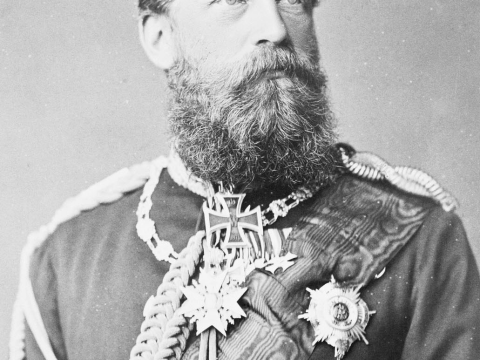
Louis Lucien Bonaparte 1813 – 1891
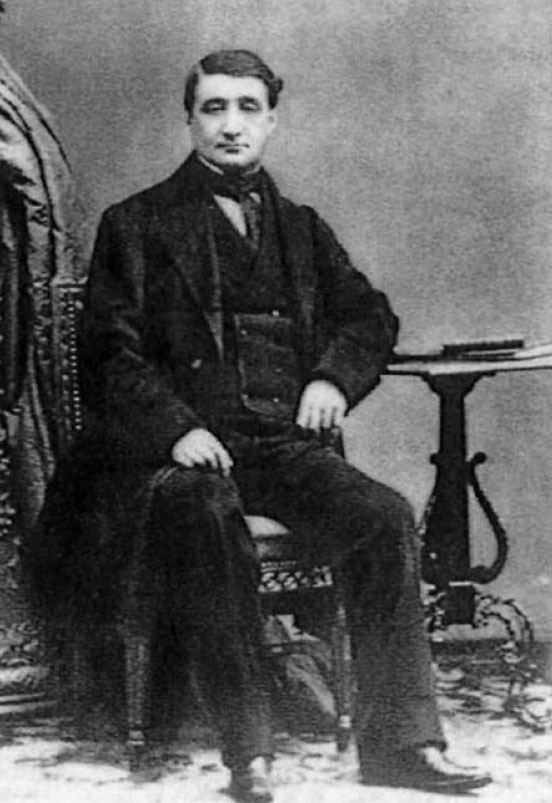
Biography
Born into European royalty in 1813, Louis Lucien Bonaparte carved out a singular legacy as a linguistic pioneer who transformed the study of languages across the continent. While his family name opened doors, it was his obsessive dedication to philology that earned him genuine scholarly respect—he became the go-to authority on European dialects and languages when most aristocrats were content with inherited prestige.
Bonaparte’s intellectual firepower wasn’t confined to dusty manuscripts. He channeled his analytical mind into politics, proving that a serious academic could hold his own in public service. This rare combination—rigorous scholarship married to political engagement—made him a distinctive voice during a turbulent period of European transformation, when ideas and national boundaries were in constant flux.
The polymath’s extraordinary 78-year lifespan reflected a man perpetually hungry for knowledge and influence. When he died in 1891, Bonaparte left behind a body of philological work that shaped how future generations understood European languages, plus a reputation as a public servant who refused to let aristocratic birthright substitute for genuine intellectual contribution.
Cemetery Map
View larger map →Satellite overview of the cemetery grounds.