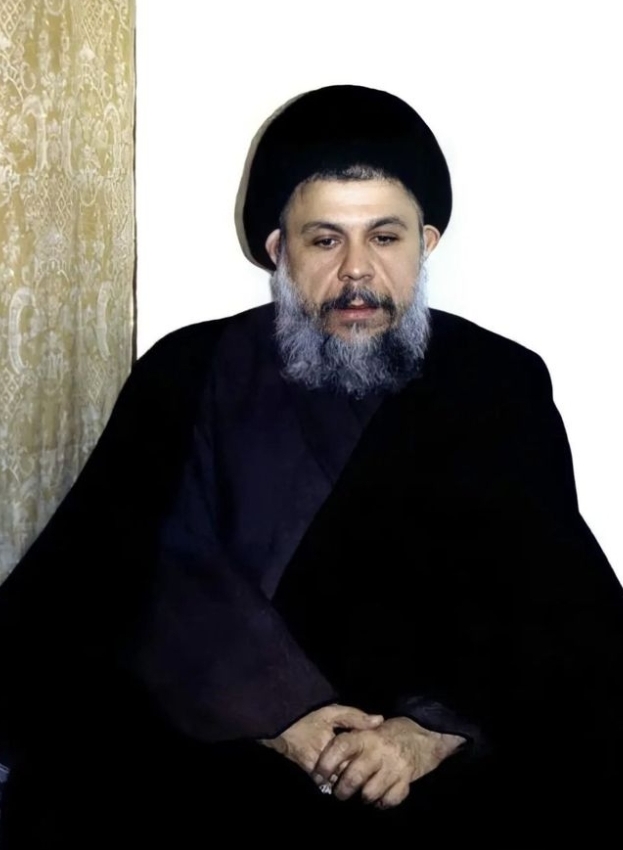
Muḥammad Bāqir aṣ-Ṣadr 1935 – 1980
Biography
Born into Kadhimiya’s spiritual heartland in 1935, Muḥammad Bāqir aṣ-Ṣadr emerged as one of Shia Islam’s most electrifying intellectual forces. While others confined themselves to classical theology, aṣ-Ṣadr charged into the arena of modern politics and philosophy, refusing to let sacred thought gather dust. His radical move: fusing ancient Islamic wisdom with the burning social questions of his era, proving religion could speak urgently to the present moment.
What cemented his legend was co-founding the Islamic Dawa Party—a seismic shift in religious activism that didn’t just inspire followers, it mobilized them. His writings became blueprints for generations seeking to marry spiritual conviction with political engagement. Aṣ-Ṣadr wasn’t content being a scholar locked in libraries; he was a visionary architect of Islamic political ideology itself.
On April 9, 1980, Baghdad silenced him with a gunshot—a tragic end to a towering mind. Yet his influence refused to die. Buried in Najaf’s sacred Wadi-us-Salaam cemetery, aṣ-Ṣadr’s intellectual legacy continues reshaping Islamic thought, proving ideas can outlive violence itself.
Cemetery Map
View larger map →Satellite overview of the cemetery grounds.