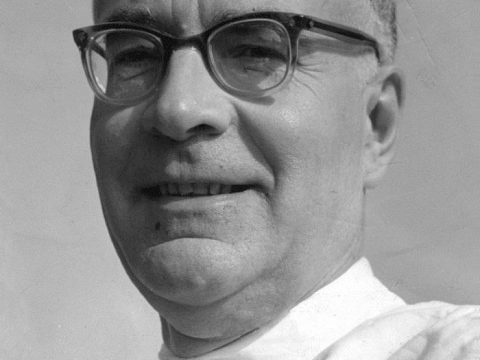
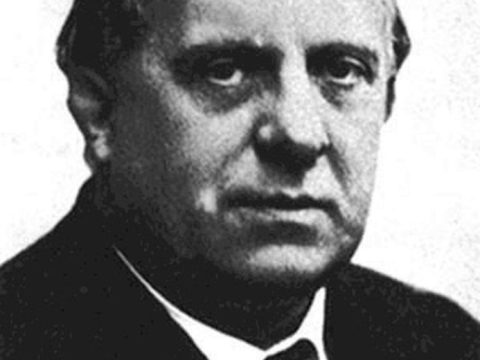
Wernher von Braun 1912 – 1977
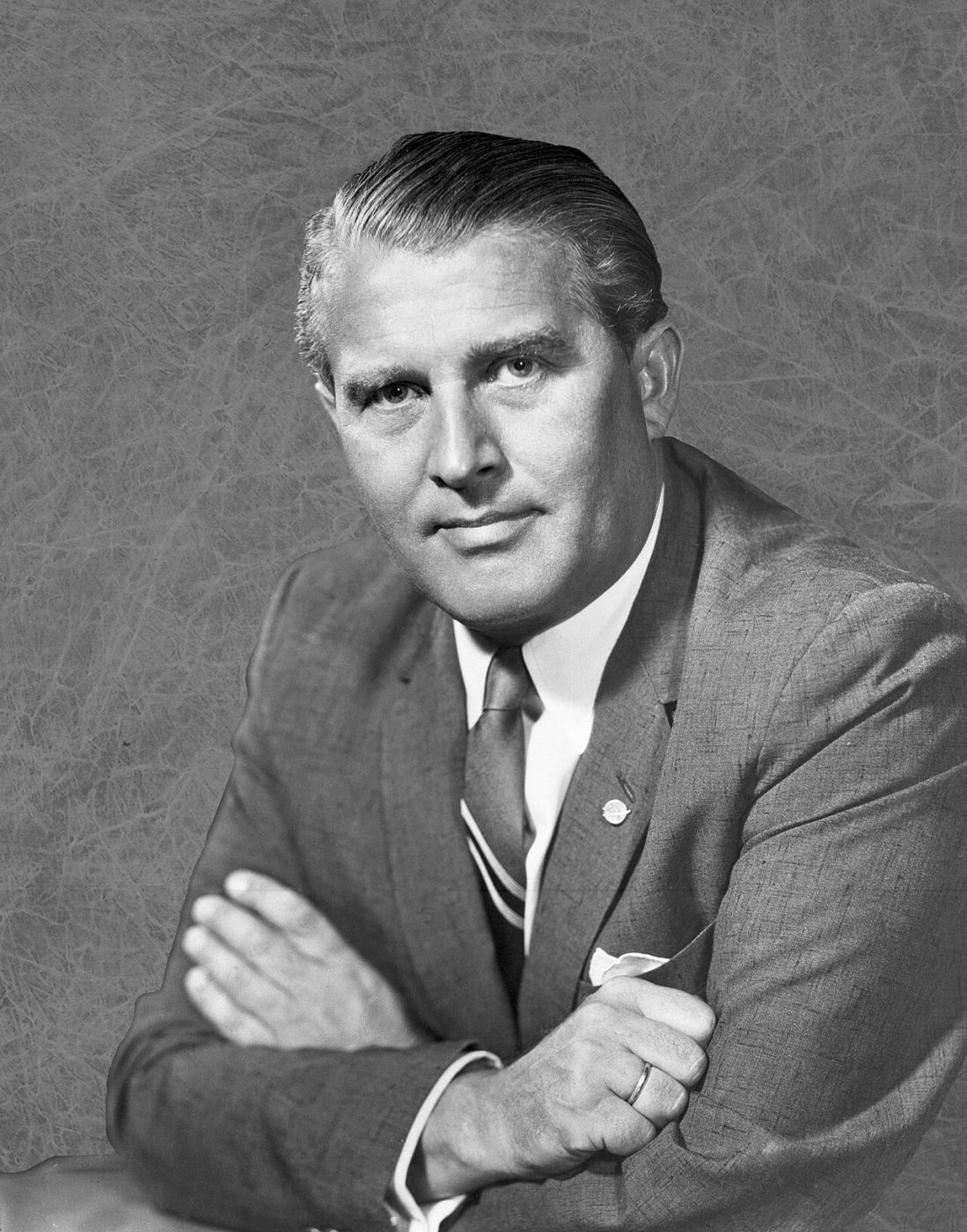
Biography
The visionary who made humans dream of the stars, Wernher von Braun transformed rocket science from theoretical fantasy into engineering reality. Born in 1912 in Wyrzysk, this German-American aerospace engineer became the architect behind humanity’s leap into space, designing the rockets that would carry astronauts to the moon and beyond. His technical brilliance and relentless ambition bridged nations and eras, turning Cold War competition into an unprecedented sprint toward the cosmos.
Von Braun’s genius lay not just in equations and blueprints—he was a space visionary who could make impossible dreams feel inevitable. His work in aerospace engineering influenced generations of scientists and engineers who inherited his legacy of pushing technological boundaries. A figure who embodied both the remarkable achievements and complex contradictions of twentieth-century innovation, he remained committed to advancing spaceflight until the end of his career.
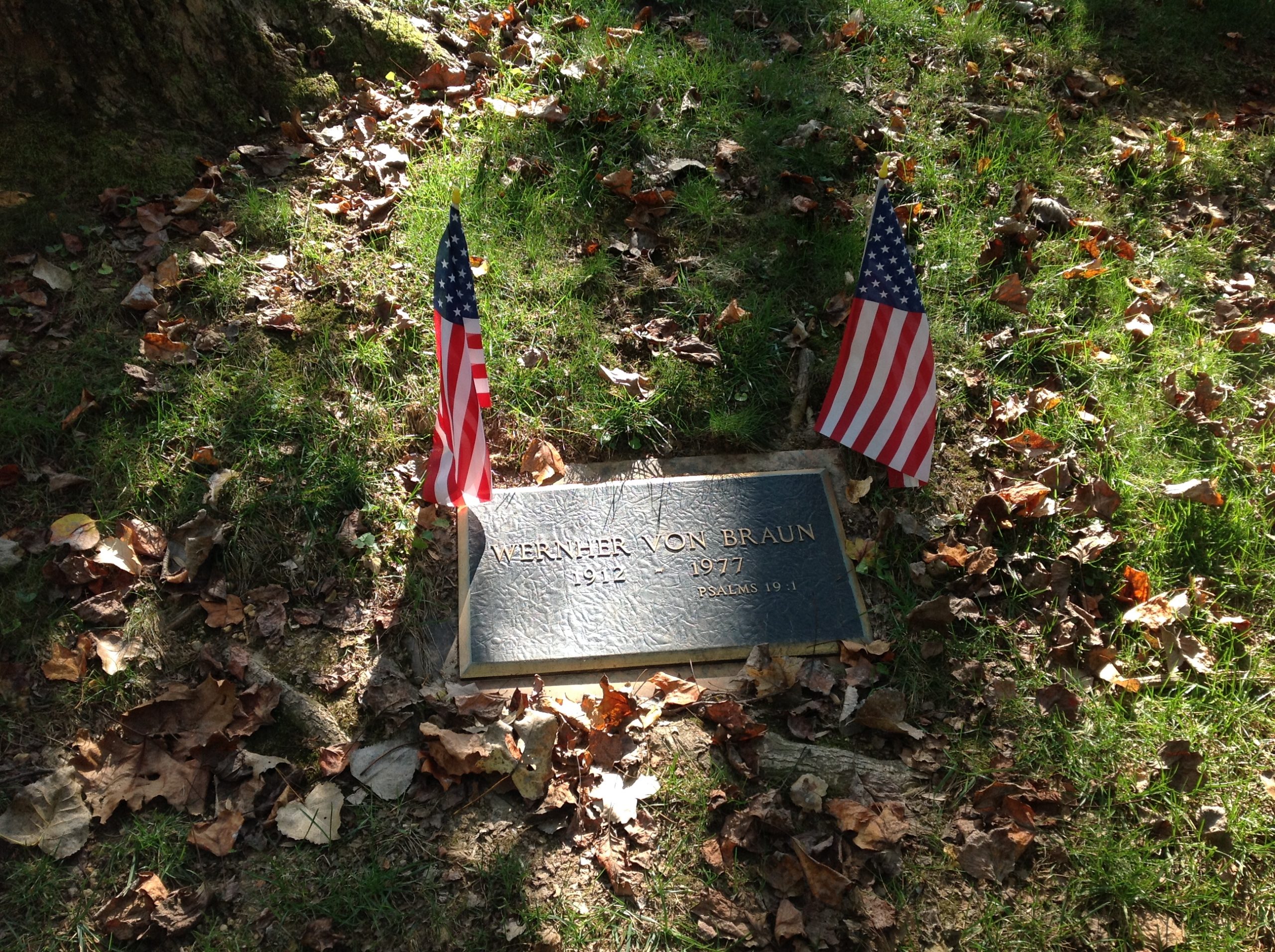
Von Braun died on June 16, 1977, at sixty-five, succumbing to pancreatic cancer. His resting place at Ivy Hill Cemetery marks the end of an extraordinary life, yet his impact on space exploration endures—a testament to the engineer who showed us that reaching for the stars wasn’t just possible, it was destiny.
More Images
Cemetery Map
View larger map →Satellite overview of the cemetery grounds.